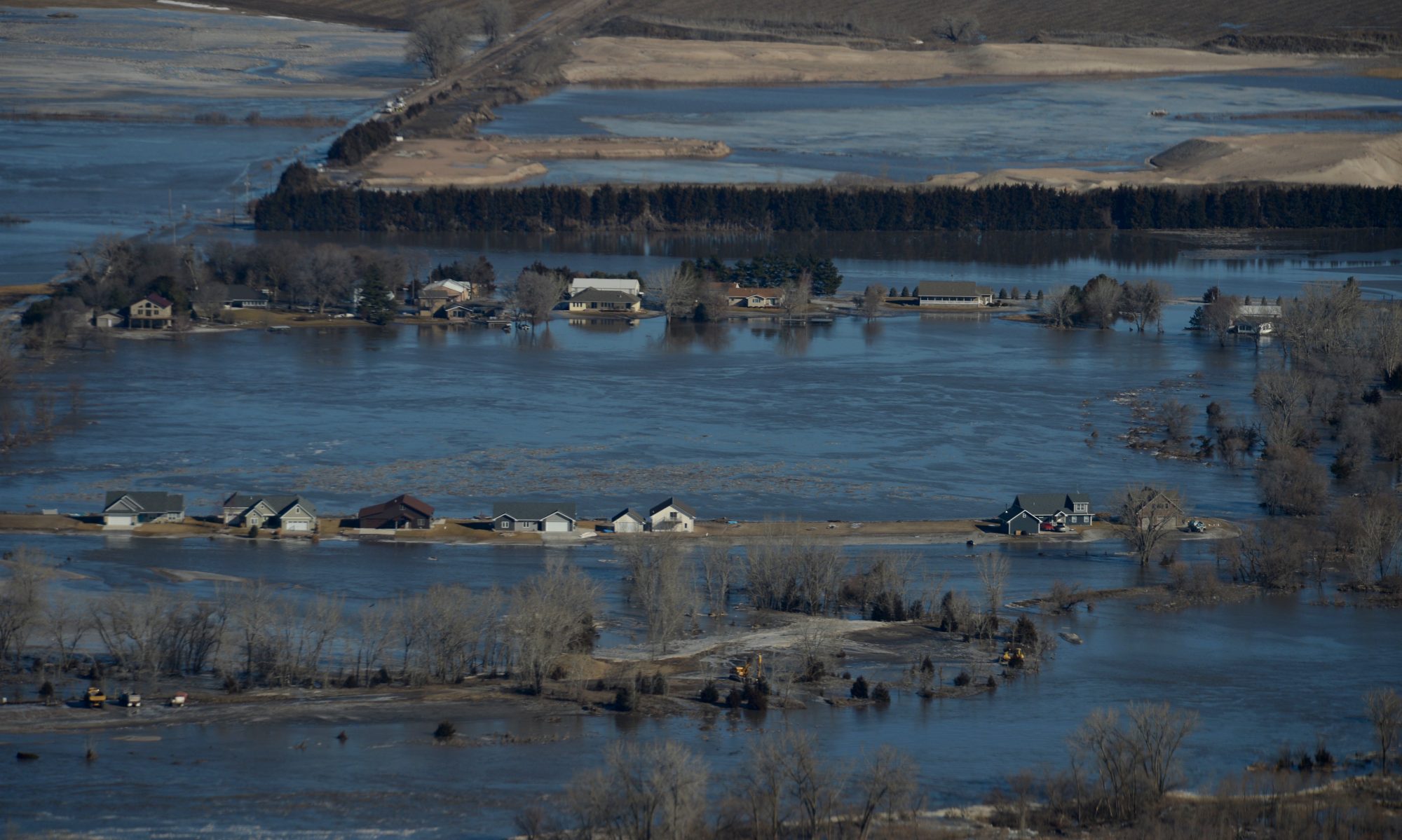
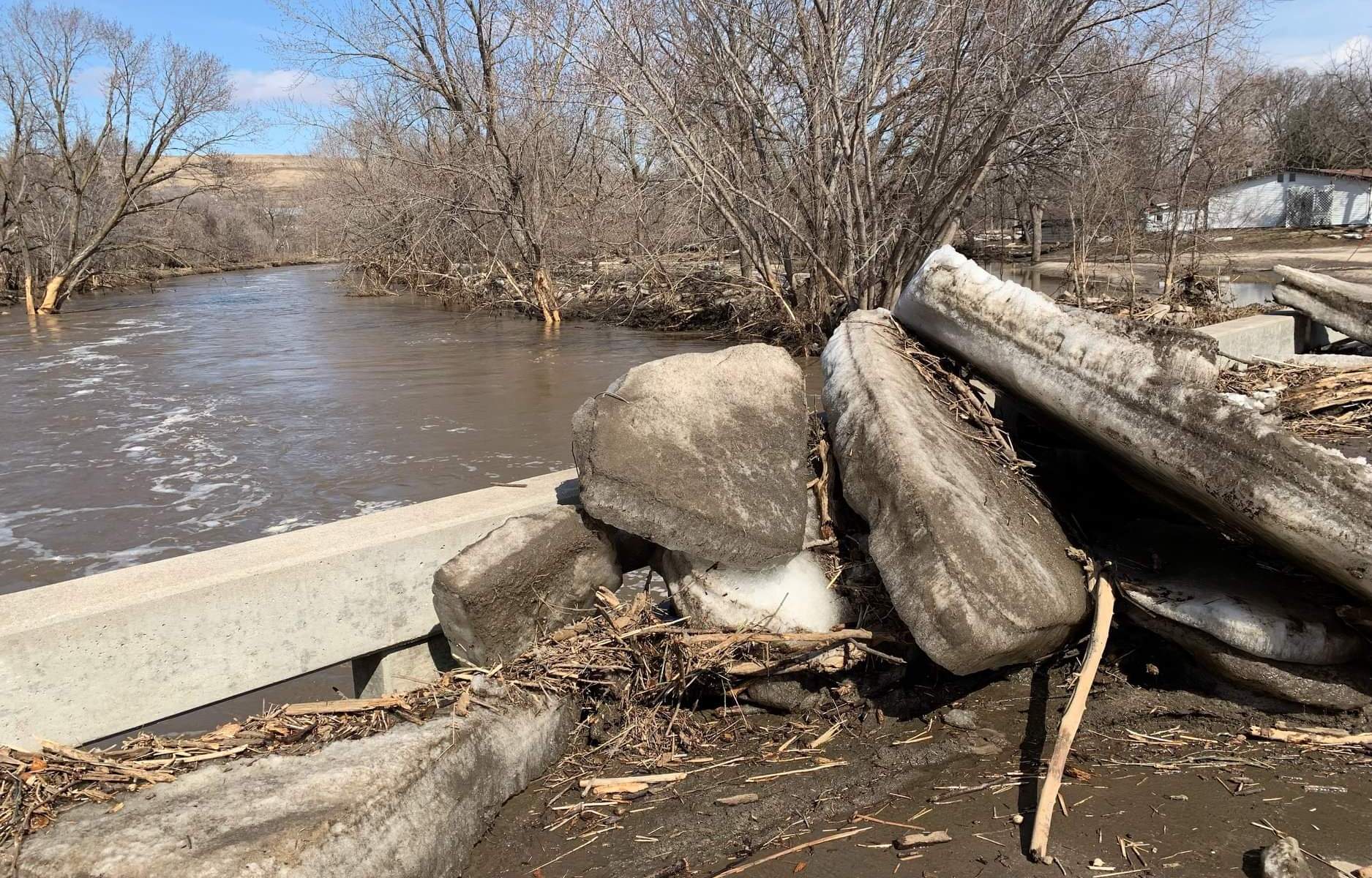
When Maj. Gen. Daryl Bohac, Nebraska adjutant general, looks back on his time as the dual head of the Nebraska Emergency Management Agency and the Nebraska National Guard, there are three years holding the most significant memories: 2013, 2019 and 2020.
In 2013 – when he first became Nebraska’s adjutant general – he faced a government shutdown requiring him to issue dozens of layoffs early in his tenure. And of course 2020 with the response to the COVID-19 global pandemic, will be a year the entire world will never forget.
But 2019 – the year Nebraska was hit with widespread historic flooding – was also the year Nebraska showed the world it’s strength and resilience, and that’s something Bohac will never forget.
“For me personally, to be where I am today, and to have the privilege of leading the Nebraska National Guard and to at least statutorily lead the Nebraska Emergency Management Agency, if I ever had any doubts about what I’m supposed to be doing in this life, and what my calling is… it was only reaffirmed by the experience over (those) three and a half weeks,” Bohac said. “To be able to be part of a team and to help lead a team to do the amazing work that we did… I’m humbled to be in that position to help.”
When the floods began in mid-March 2019, Bohac moved his Nebraska National Guard adjutant general office from the fourth floor of the Joint Force Headquarters building in Lincoln down to the first floor where the State Emergency Operations Center (SEOC) was housed with the Nebraska Emergency Management Offices.
As a dual-hat leader – meaning he helms the state emergency management agency and the entire Nebraska Army and Air National Guard force – Bohac said having the two organizations co-located and right together allowed for a much more adept, much more agile response force when needed.
“The day-to-day interaction between the military and emergency management that occurs is unprecedented in our agency’s history,” he said. “Those two things coming together… and having the relationships, builds confidence, trust and the ability to execute in a rapid way.”
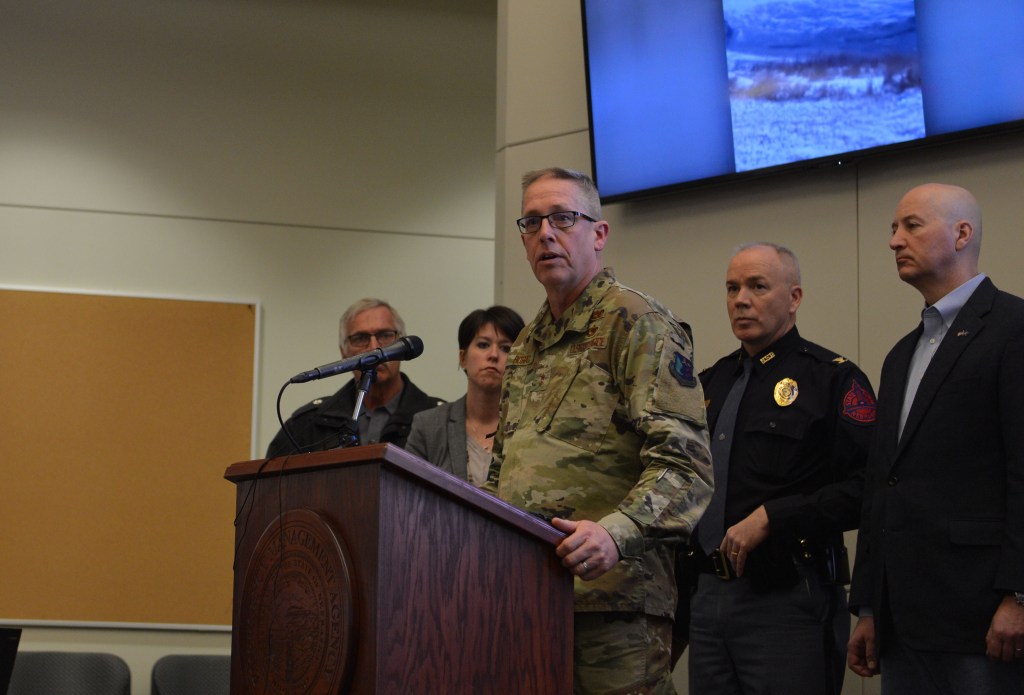
Together, NEMA and the Nebraska National Guard form the Nebraska Military Department, and it was the strength of that department – working with so many other local organizations and partners – that Bohac said led to the success of the flood response efforts in 2019.
“Coming out of the floods, one of things we learned was that we hadn’t done enough training with other search and rescue elements,” Bohac said. “While we were able to leverage them and them us… I think the lesson learned is that we weren’t as prepared as we could’ve been.”
Bohac said he was very proud of the amount of recues achieved across all agencies including the Nebraska National Guard, the Nebraska State Patrol, and Nebraska Task Force One. He said those teams coming together and working together made a difference, and those experiences have informed the way they all train now.
“So we have to continue to look for those opportunities that we haven’t really thought enough about maybe, or haven’t been presented with the demands to think more carefully about it,” Bohac said. “But we continue to do that; continue to look for ways we can be better than we were last time.”
The flood response was both mentally and physically demanding on all the Soldiers, Airmen and civilian responders alike, including Bohac, who often started the day before sunrise and left long after the sunset just to return tomorrow to do it all again.
This new, high operational tempo in a domestic setting called for new ideas to ensure the welfare of all involved. One thing Bohac intuitively realized from past high-tempo experience was the need for a forced tactical pause. To implement this, he invited the Army and Air chaplains to offer a moment of calm and reflection – twice daily – to help everyone center themselves and collect their thoughts.
He also noticed early on the need to give his teammates permission – by example – to take much needed breaks and even days “off” from the seemingly continuous and taxing response.
“Take care of yourself so you can continue to take care of your people,” Bohac said. “One of the risks I think leaders face is ignoring their own health, and their own needs because they feel like they’re going to let down the team. So you have to show others that you, too, can step out, because you trust everybody else that’s left behind, that’s still in the fight… managing the response.”
Bohac said to demonstrate this, he and Bryan Tuma, assistant director for NEMA, would alternate weekend days off to ensure one of them was always present, but the other would get some much needed rest.
Looking back on the experience now, Bohac said there are a few things he hopes everyone will remember if or when they respond to another disaster.
“You’ve got to listen before you speak,” Bohac said. “There’s always a sense of urgency in all of this… but having the patience to get enough information to provide good guidance.”
Communication is something Bohac believes can always be improved upon, both internally and externally. Externally, the need for interpreters became apparent during the 2019 floods, and now – except for a few at the start of the pandemic – are a common staple for all press conferences.
“I do think we’ve become more mindful about those things,” he said.
Internally, after the 2019 floods, Nebraska invested in a statewide radio system that will allow emergency management teams and first responders across the state to communicate more efficiently.
Bohac also believes more personal interaction and greater connections will increase productivity, even now, during a time of increased physical distancing.
“Make direct connections when you can, when you need to,” Bohac said. Email, for example, is great for data sharing, but to convey urgency or emotional tone, he encourages calling directly or even speaking face-to-face if possible.
“I think there would be those that would like to believe you can separate emotion out from all this, (but) that’s just not true,” he said. “I know for me personally I was deeply impacted by the threat to our state. I was worried. I was worried every night.”
He said having those emotions and sharing them with others who can make a difference helped bring about real trust and real response. Being present and in front of the team – sometimes even making jokes at his own expense – helped build confidence in the response effort, from the Governor’s Office, to the SEOC, down to the individual Soldiers and Airmen providing traffic support across the state. And there were plenty of them to go around.
“There was never a shortage of folks wanting to come on duty to help do this work,” Bohac said. “And clearly they performed amazing well.”
Bohac said seeing first hand how Nebraskans helped other Nebraskans was the shining light in darkness of the entire experience. He believes when people see the uniform of an American Soldier or Airmen, that they view it as a sign things are going to start to get better, “because we’re there.”
“And we should never take that for granted,” he said. “We should never assume that. We should earn it each and every day.”
“You never want to see your fellow citizens in peril like that,” he added, “but if they are, then who better than us to respond?”
Reflection, application of lessons learned and advanced training and preparation are paramount to future success for the Nebraska Military Department. When the time comes for Bohac to pass the baton to a new adjutant general, he hopes that individual will be as prepared as possible – with a strong team beside them – for even the most unimaginable events.
“Don’t figure out what you’re supposed to be doing the moment the disaster hits,” Bohac said. “Be engaged across the enterprise. Work to understand it. Develop the relationships that will make, not just you but most importantly, the response apparatus, the organization better because you’ve taken time to invest in those relationships.”
One question frequently asked of Bohac, is why would you rebuild the Camp Ashland Training Site. And while he has a laundry list of answers – including its ideal location, robust history, and extensive operational infrastructure – his usual response is because they have now learned what improvements are needed to protect against future threats.
“Your future response is often predicated on the past event,” Bohac said. “So our response now is to rebuild by elevating the buildings that we can.”
For more reflections by Maj. Gen. Daryl Bohac, watch his full interview here:
 Good Life, Great Strength