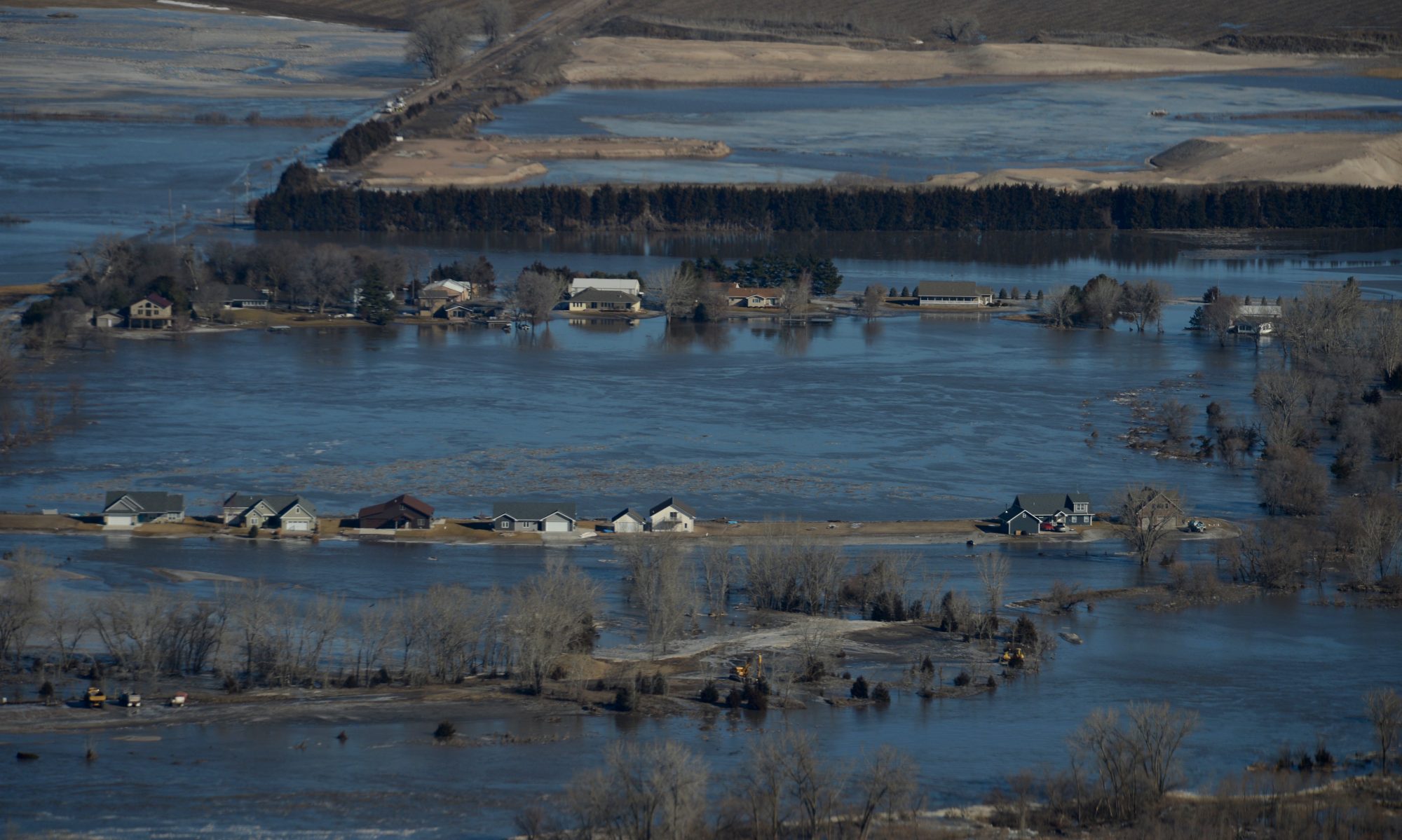
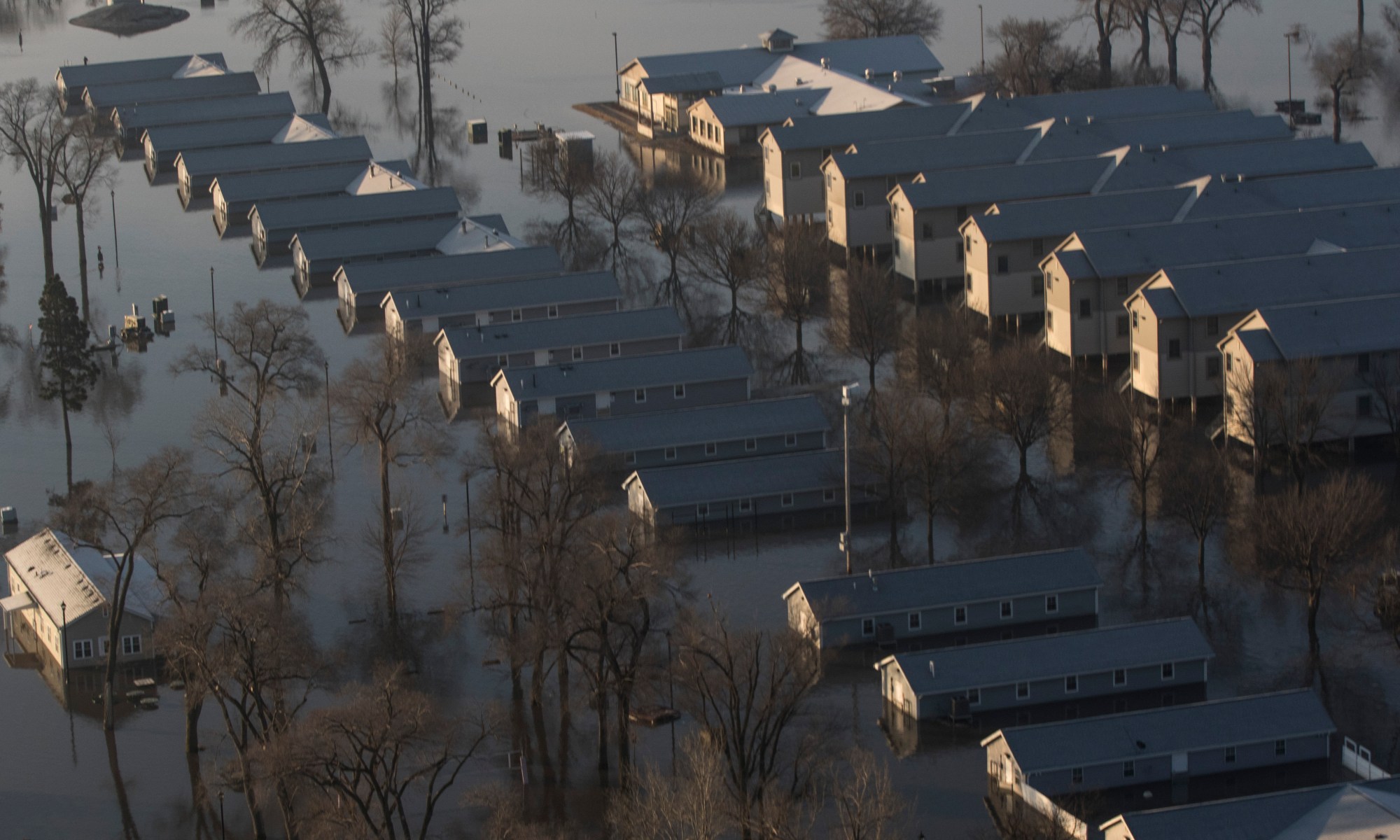
The damage to levee systems was extensive – 41 breaches to federal and non-federal levees according to the U.S. Army Corps of Engineers – and in many cases had a significant impact on the amount of flooding in nearby communities. The Camp Ashland Training Site, a Nebraska National Guard base located along the Platte River, was initially flooded by excess water from the Salt Creek, but became engulfed when the river’s levee breached, causing water damage to 51 of 62 buildings.
The flooding was worse than anything the camp had experienced in the last century, according to Col. Shane Martin, Nebraska Army National Guard construction and facilities management officer, including severe flooding suffered in 2015.
The 2019 floods prompted a full evacuation of the training site, including 225 Soldiers attending classes at the 209th Regional Training Institute. Fortunately, no training courses cancelled as the Nebraska Guard shifted classes to the nearby Mead Training Site and the Greenlief Training Site near Hastings, Nebraska, for two months before officially reopening Camp Ashland in the summer with a “Reoccuparty” celebration on July 14.
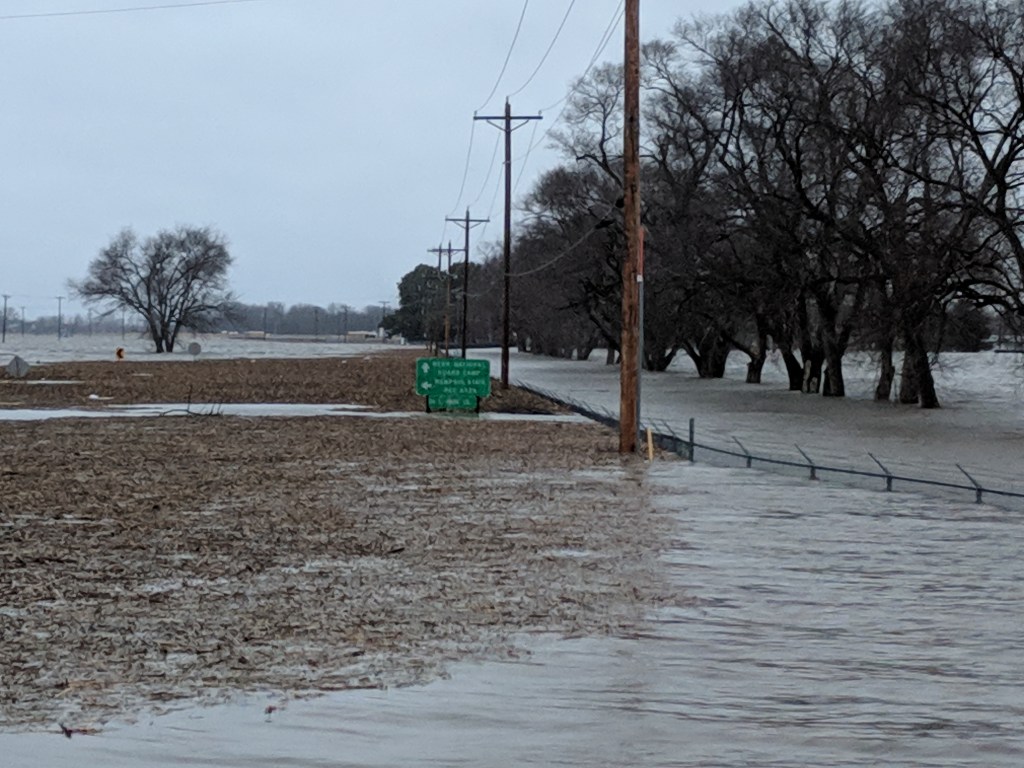
Photos of the Nebraska Army National Guard’s Camp Ashland Training Site, March 16, 2019, after catastrophic flooding inundated the camp from both the Salt Creek and Platte River, causing the evacuation of troops and equipment. (Nebraska National Guard courtesy photo) 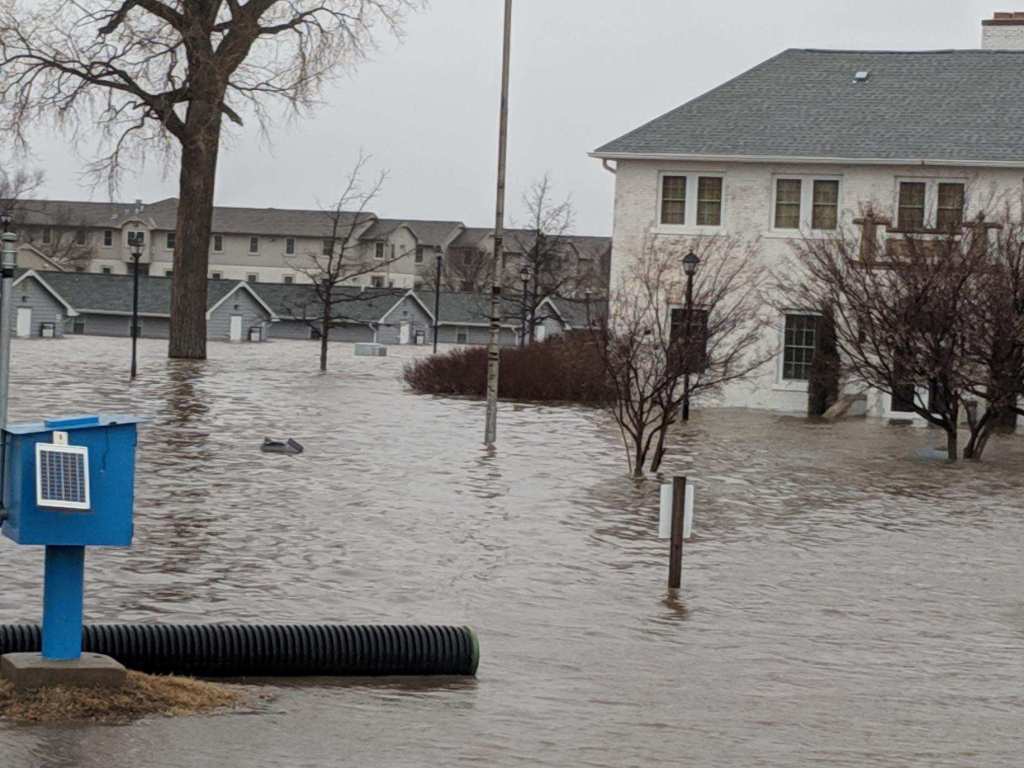
Photos of the Nebraska Army National Guard’s Camp Ashland Training Site, March 16, 2019, after catastrophic flooding inundated the camp from both the Salt Creek and Platte River, causing the evacuation of troops and equipment. (Nebraska National Guard courtesy photo) 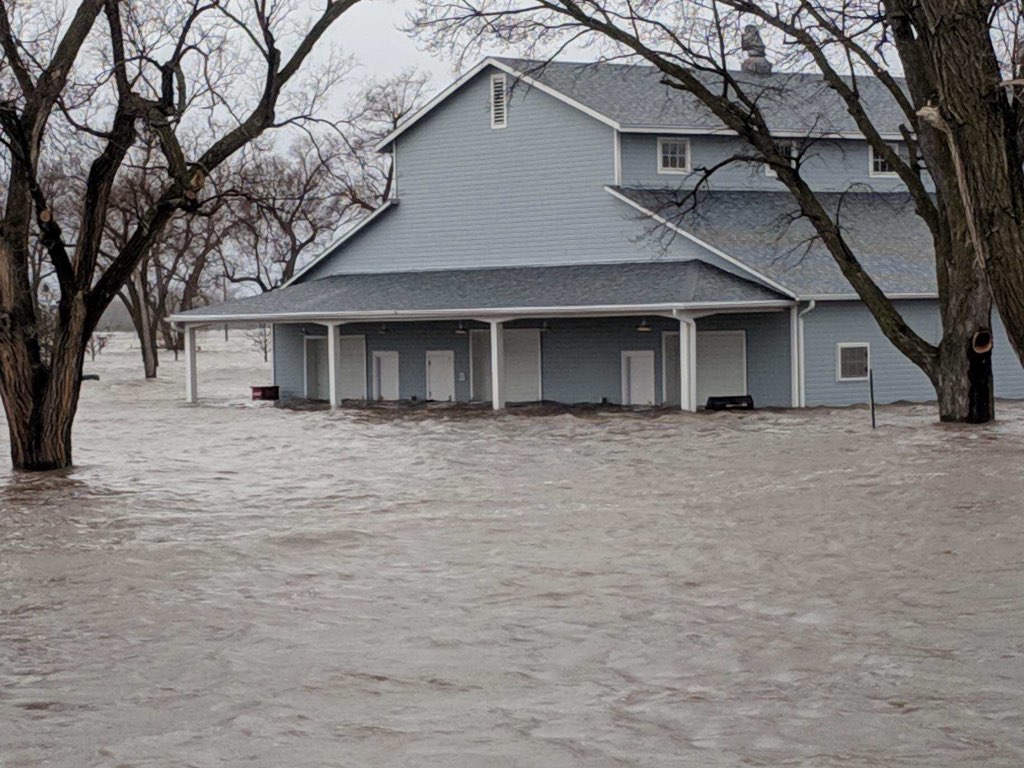
Photos of the Nebraska Army National Guard’s Camp Ashland Training Site, March 16, 2019, after catastrophic flooding inundated the camp from both the Salt Creek and Platte River, causing the evacuation of troops and equipment. (Nebraska National Guard courtesy photo) 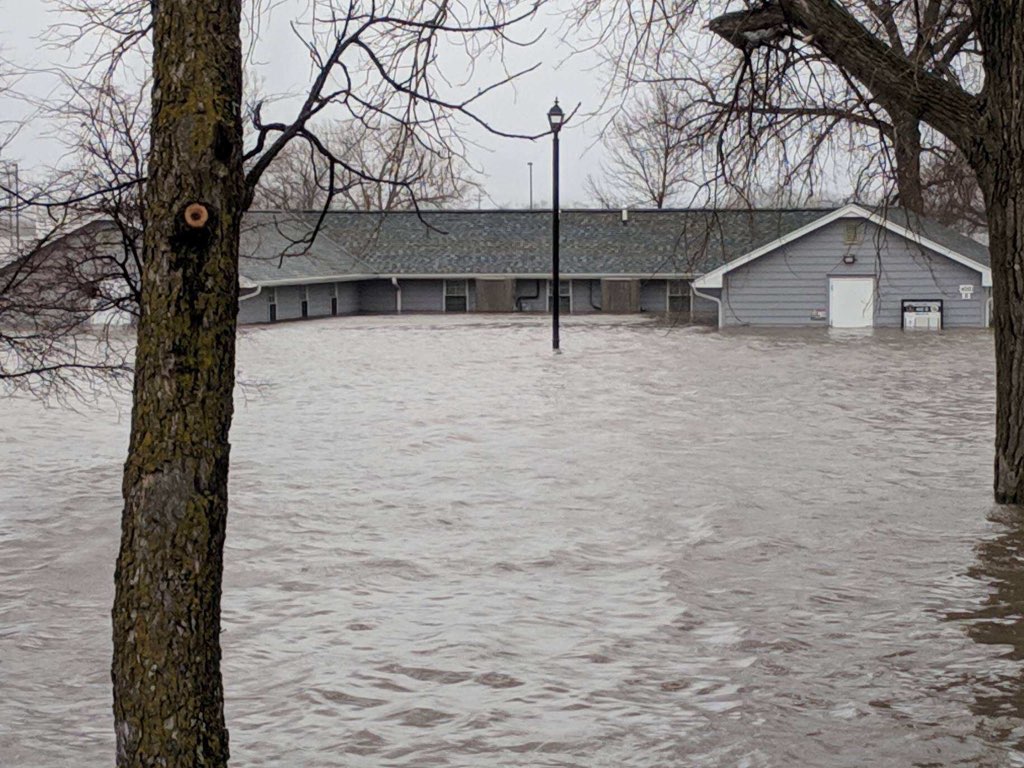
Photos of the Nebraska Army National Guard’s Camp Ashland Training Site, March 16, 2019, after catastrophic flooding inundated the camp from both the Salt Creek and Platte River, causing the evacuation of troops and equipment. (Nebraska National Guard courtesy photo) 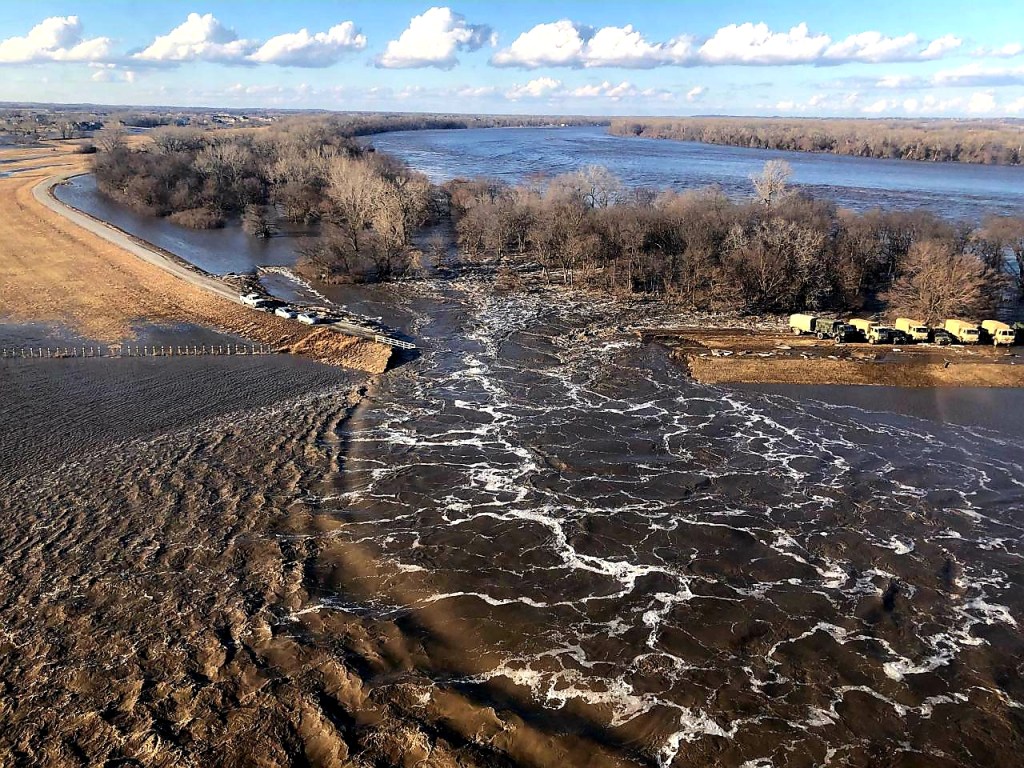
(Courtesy photo) 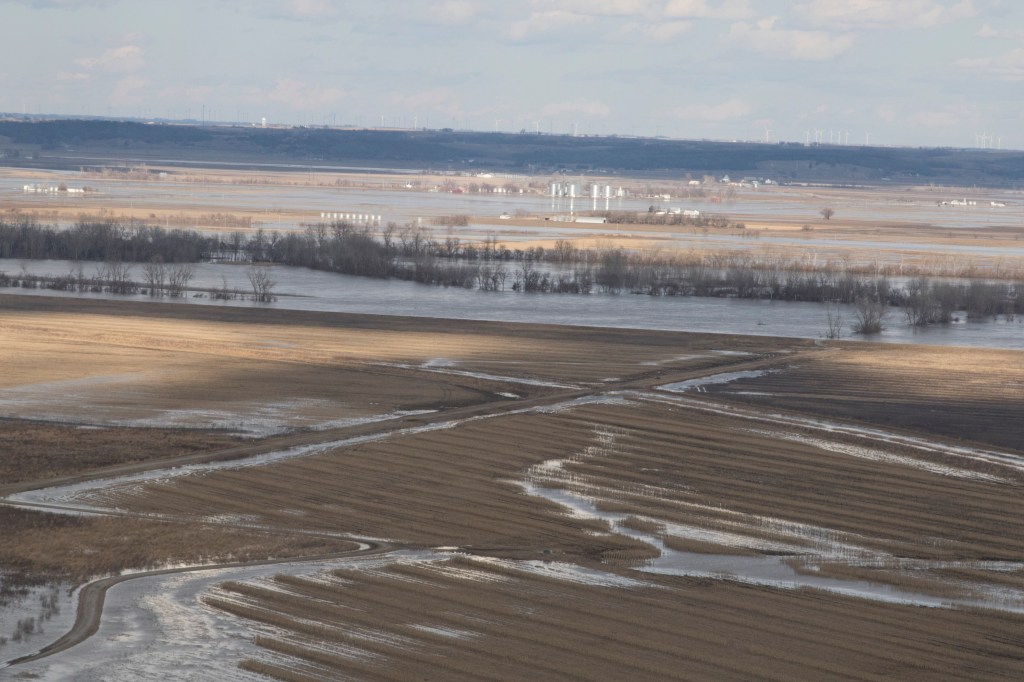
Aerial photos of the Nebraska Army National Guard’s Camp Ashland Training Site, March 17, 2019, after catastrophic flooding inundated the camp from both the Salt Creek and Platte River, causing the evacuation of troops and equipment. (Nebraska National Guard photo by Staff Sgt. Herschel Talley) 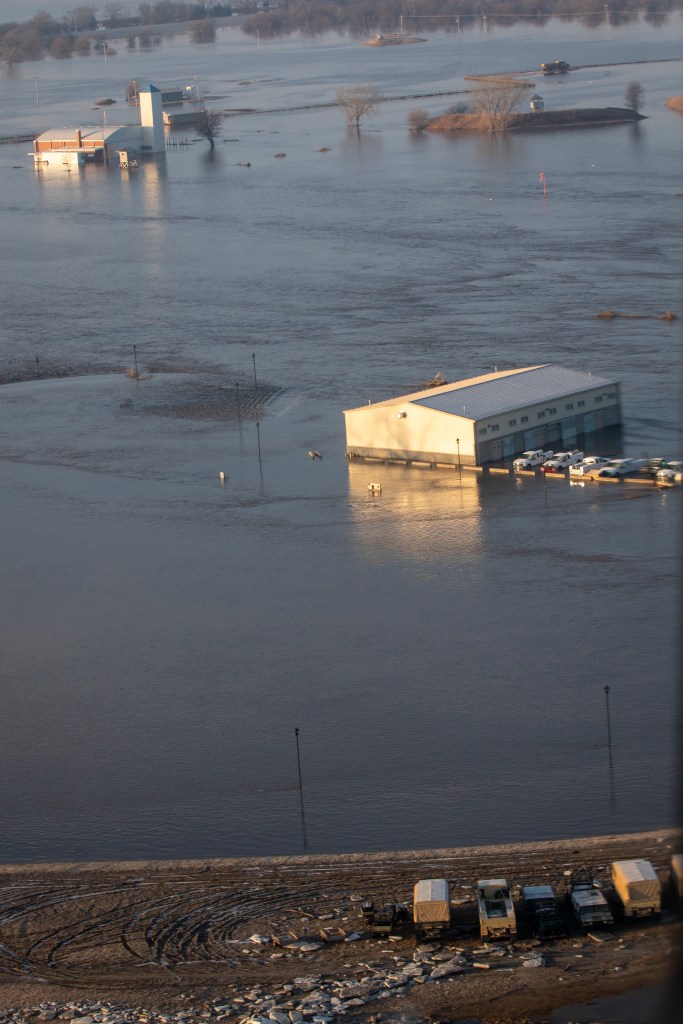
Aerial photos of the Nebraska Army National Guard’s Camp Ashland Training Site, March 17, 2019, after catastrophic flooding inundated the camp from both the Salt Creek and Platte River, causing the evacuation of troops and equipment. (Nebraska National Guard photo by Staff Sgt. Herschel Talley) 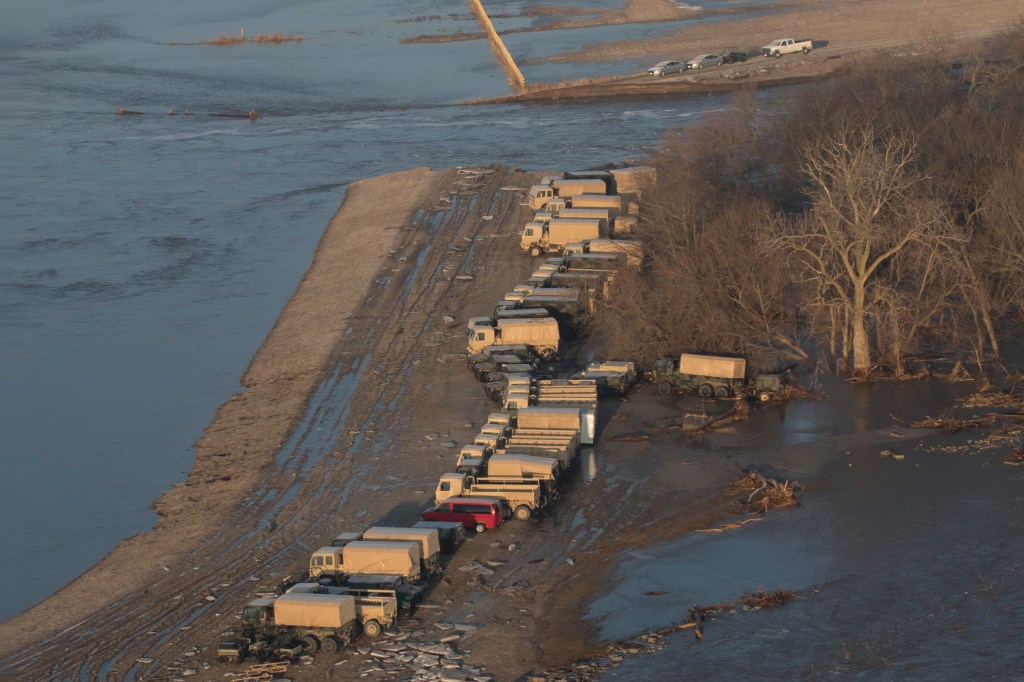
Aerial photos of the Nebraska Army National Guard’s Camp Ashland Training Site, March 17, 2019, after catastrophic flooding inundated the camp from both the Salt Creek and Platte River, causing the evacuation of troops and equipment. (Nebraska National Guard photo by Staff Sgt. Herschel Talley) 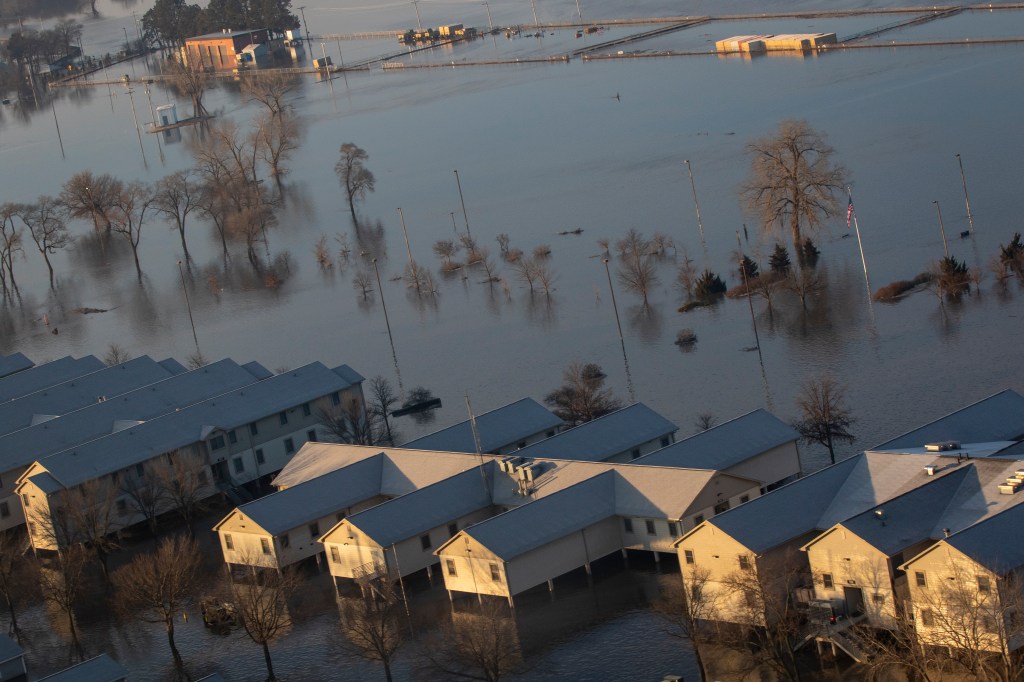
Aerial photos of the Nebraska Army National Guard’s Camp Ashland Training Site, March 17, 2019, after catastrophic flooding inundated the camp from both the Salt Creek and Platte River, causing the evacuation of troops and equipment. (Nebraska National Guard photo by Staff Sgt. Herschel Talley) 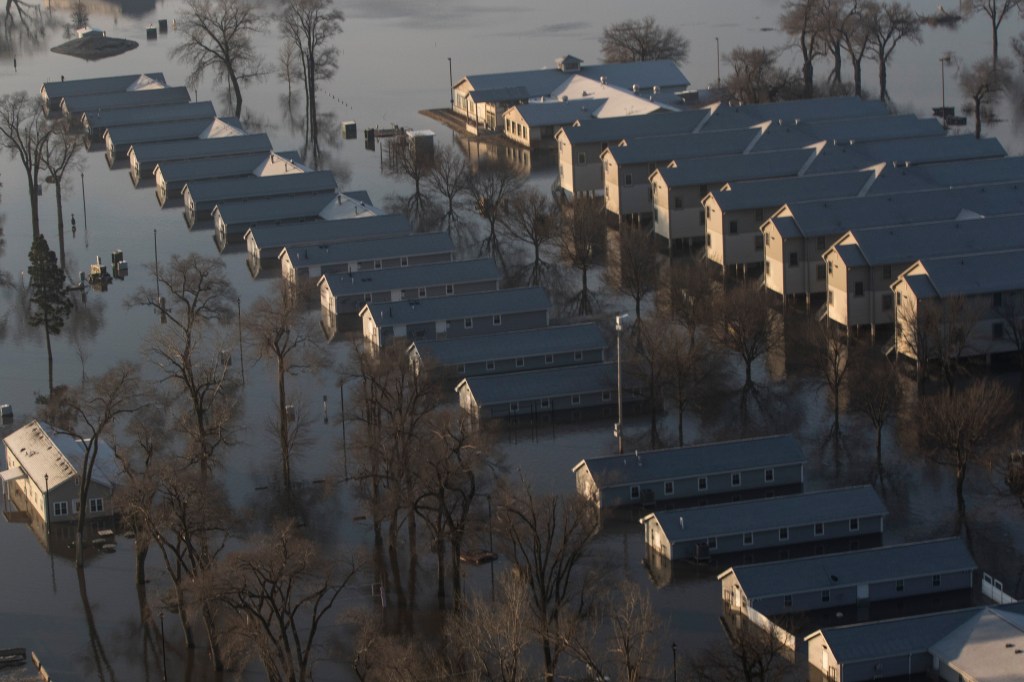
Aerial photos of the Nebraska Army National Guard’s Camp Ashland Training Site, March 17, 2019, after catastrophic flooding inundated the camp from both the Salt Creek and Platte River, causing the evacuation of troops and equipment. (Nebraska National Guard photo by Staff Sgt. Herschel Talley) 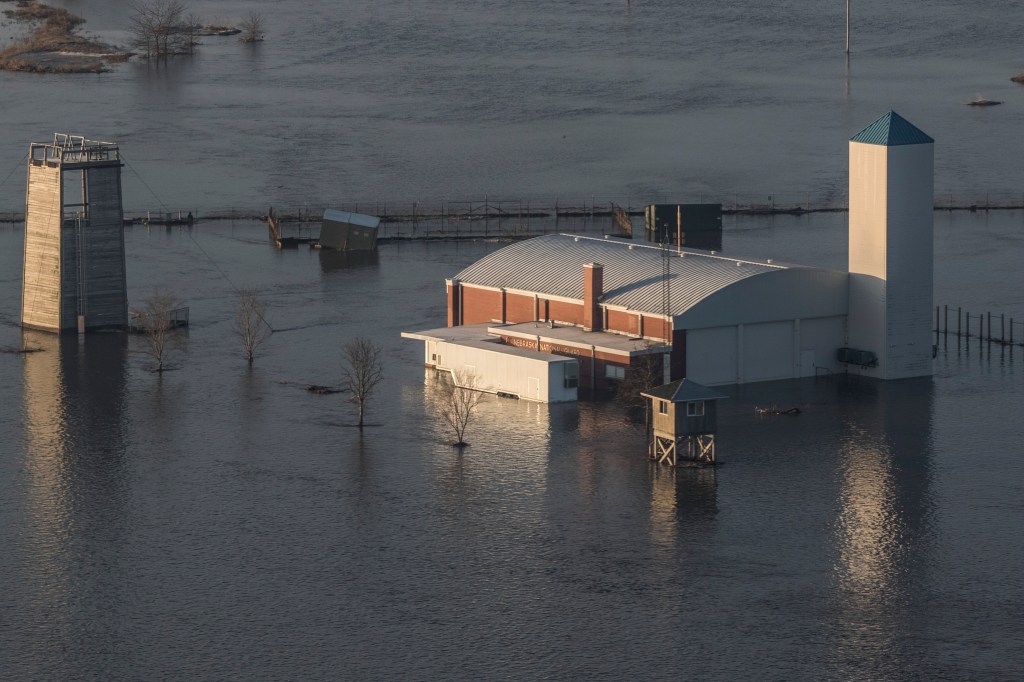
Aerial photos of the Nebraska Army National Guard’s Camp Ashland Training Site, March 17, 2019, after catastrophic flooding inundated the camp from both the Salt Creek and Platte River, causing the evacuation of troops and equipment. (Nebraska National Guard photo by Staff Sgt. Herschel Talley) 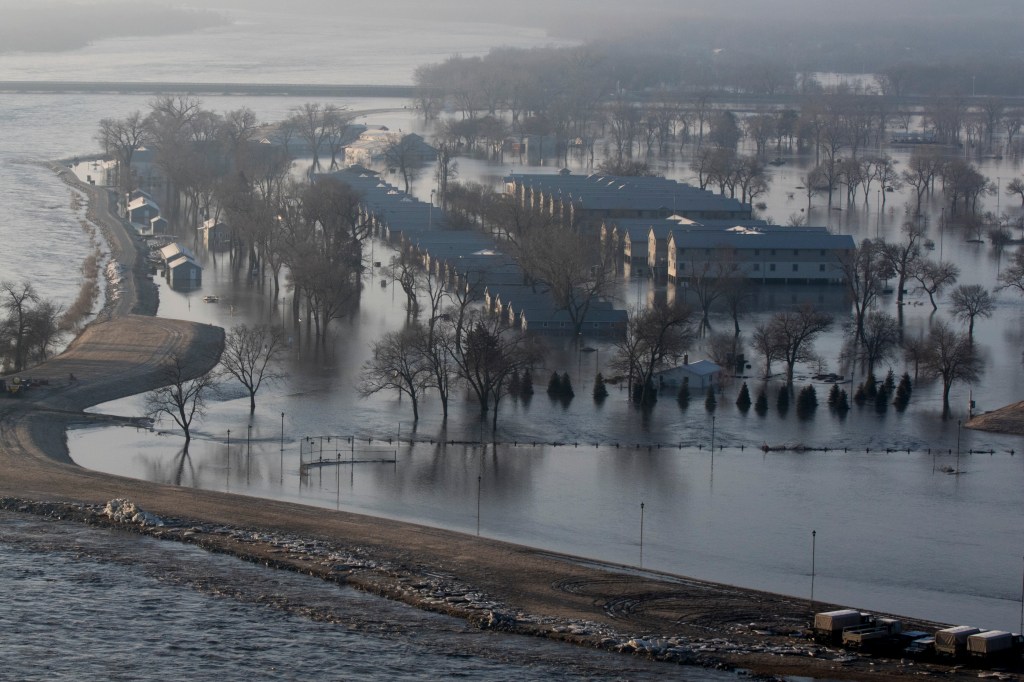
Aerial photos of the Nebraska Army National Guard’s Camp Ashland Training Site, March 17, 2019, after catastrophic flooding inundated the camp from both the Salt Creek and Platte River, causing the evacuation of troops and equipment. (Nebraska National Guard photo by Staff Sgt. Herschel Talley) 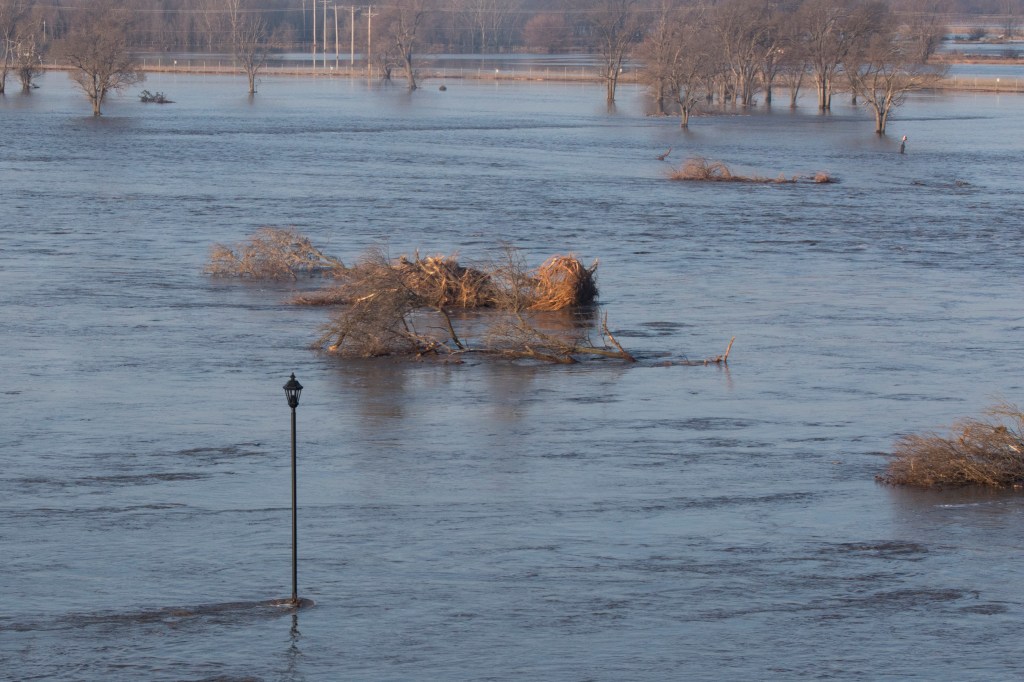
Aerial photos of the Nebraska Army National Guard’s Camp Ashland Training Site, March 17, 2019, after catastrophic flooding inundated the camp from both the Salt Creek and Platte River, causing the evacuation of troops and equipment. (Nebraska National Guard photo by Staff Sgt. Herschel Talley) 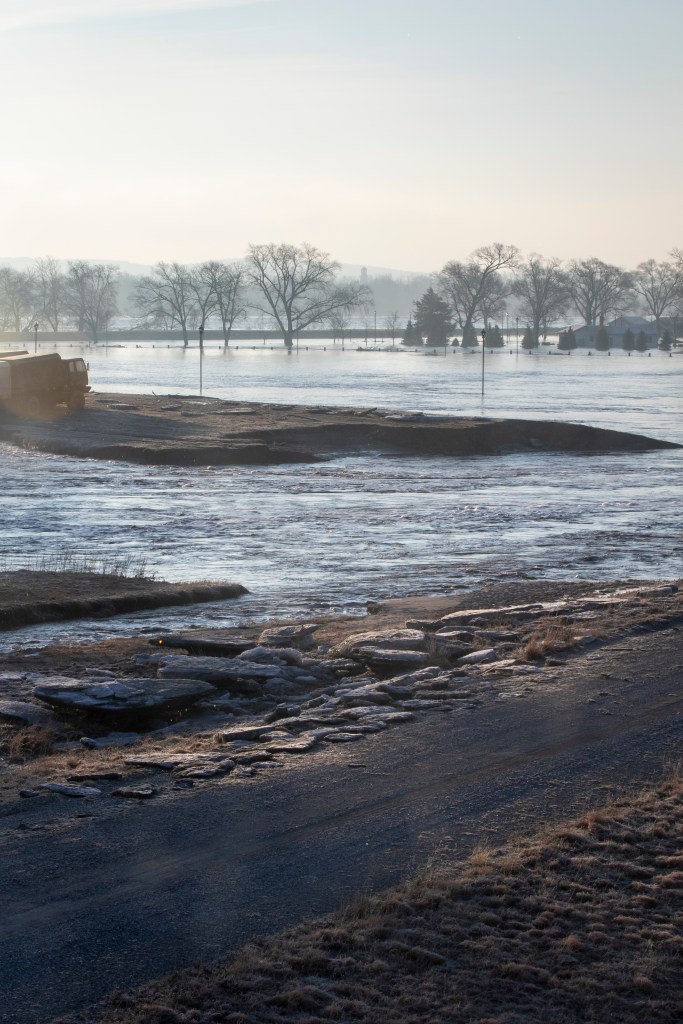
Aerial photos of the Nebraska Army National Guard’s Camp Ashland Training Site, March 17, 2019, after catastrophic flooding inundated the camp from both the Salt Creek and Platte River, causing the evacuation of troops and equipment. (Nebraska National Guard photo by Staff Sgt. Herschel Talley) 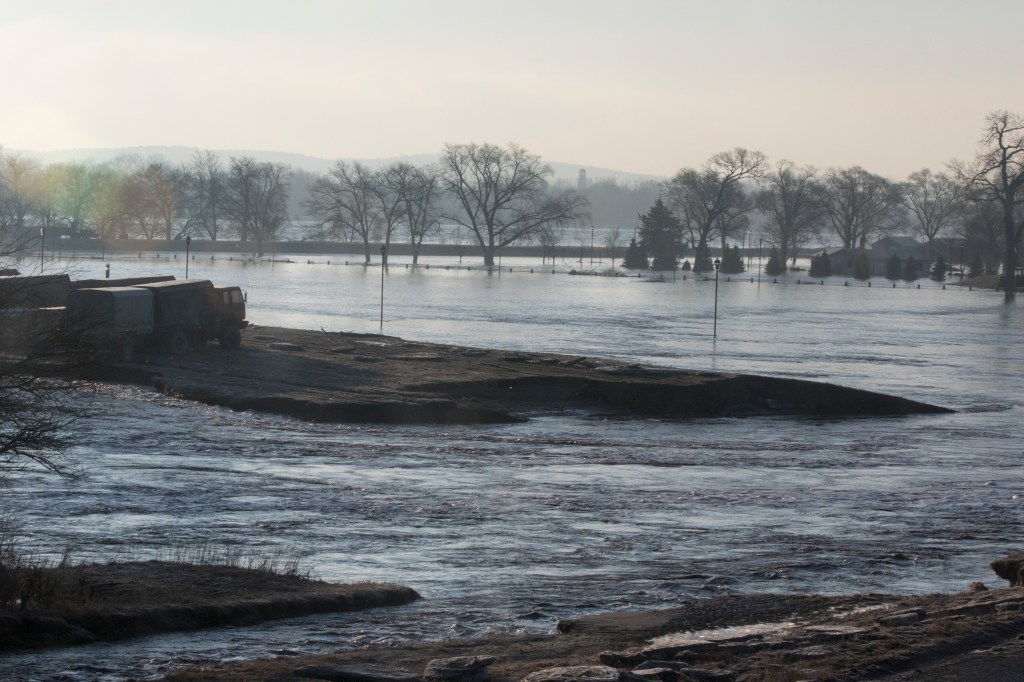
Aerial photos of the Nebraska Army National Guard’s Camp Ashland Training Site, March 17, 2019, after catastrophic flooding inundated the camp from both the Salt Creek and Platte River, causing the evacuation of troops and equipment. (Nebraska National Guard photo by Staff Sgt. Herschel Talley) 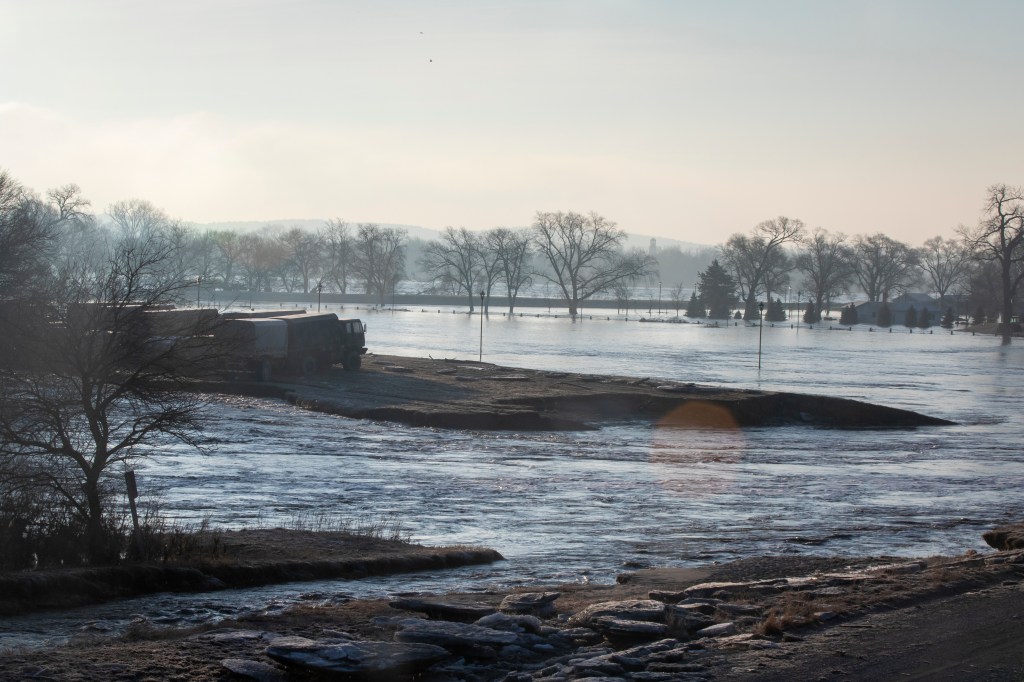
Aerial photos of the Nebraska Army National Guard’s Camp Ashland Training Site, March 17, 2019, after catastrophic flooding inundated the camp from both the Salt Creek and Platte River, causing the evacuation of troops and equipment. (Nebraska National Guard photo by Staff Sgt. Herschel Talley) 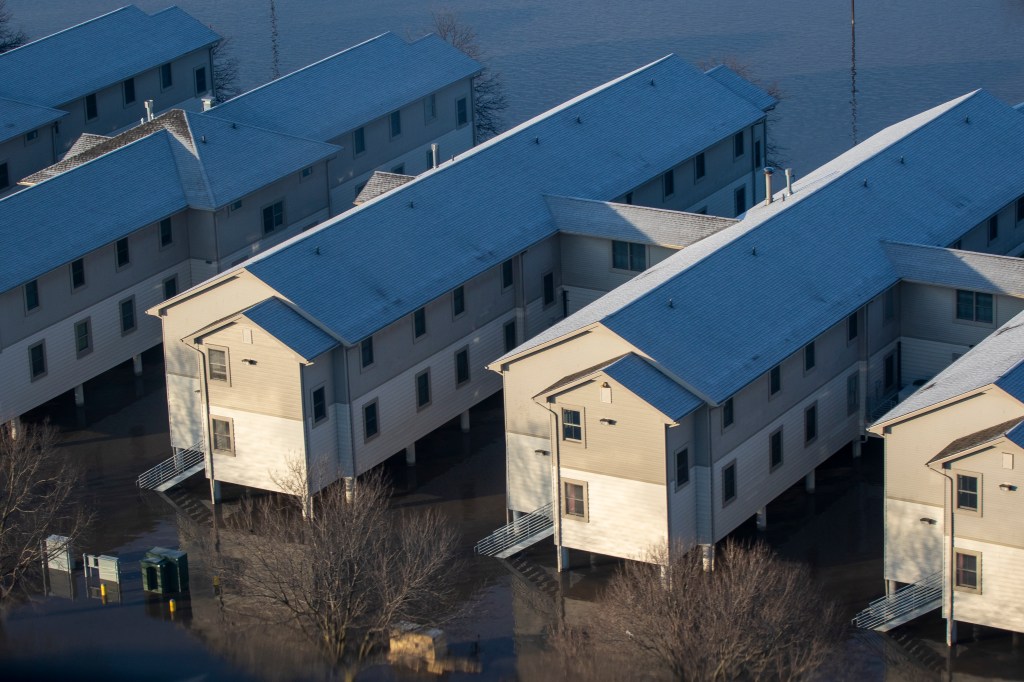
Aerial photos of the Nebraska Army National Guard’s Camp Ashland Training Site, March 17, 2019, after catastrophic flooding inundated the camp from both the Salt Creek and Platte River, causing the evacuation of troops and equipment. (Nebraska National Guard photo by Staff Sgt. Herschel Talley) 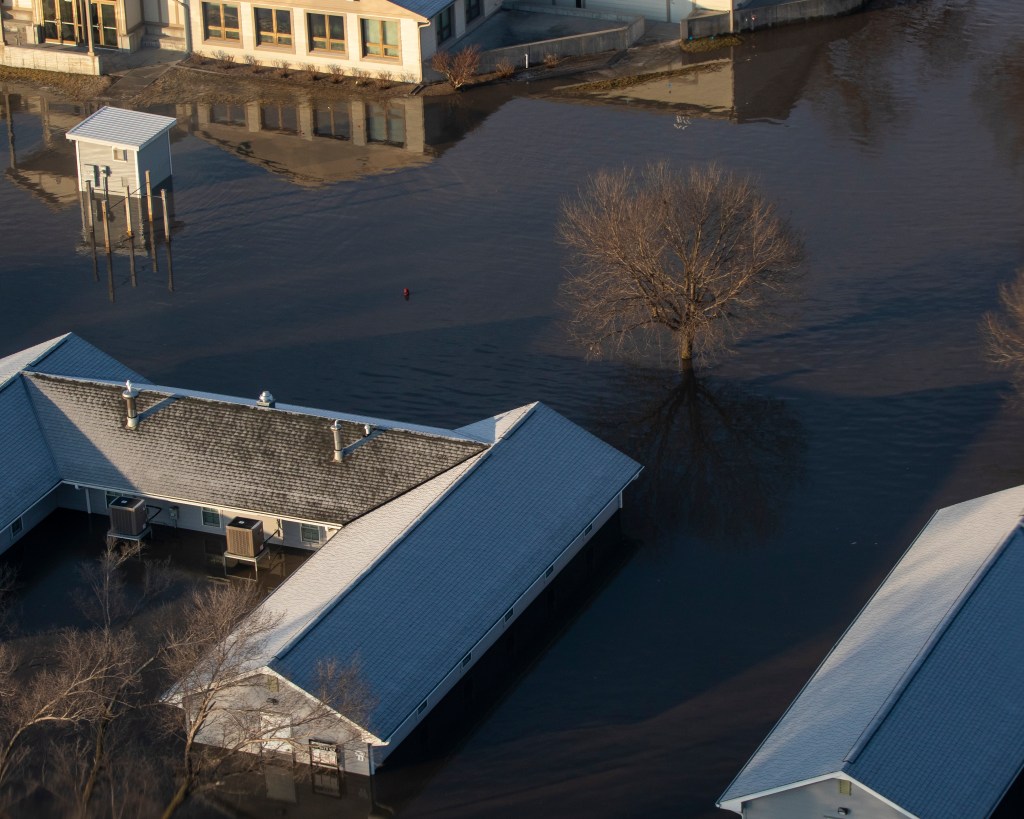
Aerial photos of the Nebraska Army National Guard’s Camp Ashland Training Site, March 17, 2019, after catastrophic flooding inundated the camp from both the Salt Creek and Platte River, causing the evacuation of troops and equipment. (Nebraska National Guard photo by Staff Sgt. Herschel Talley) 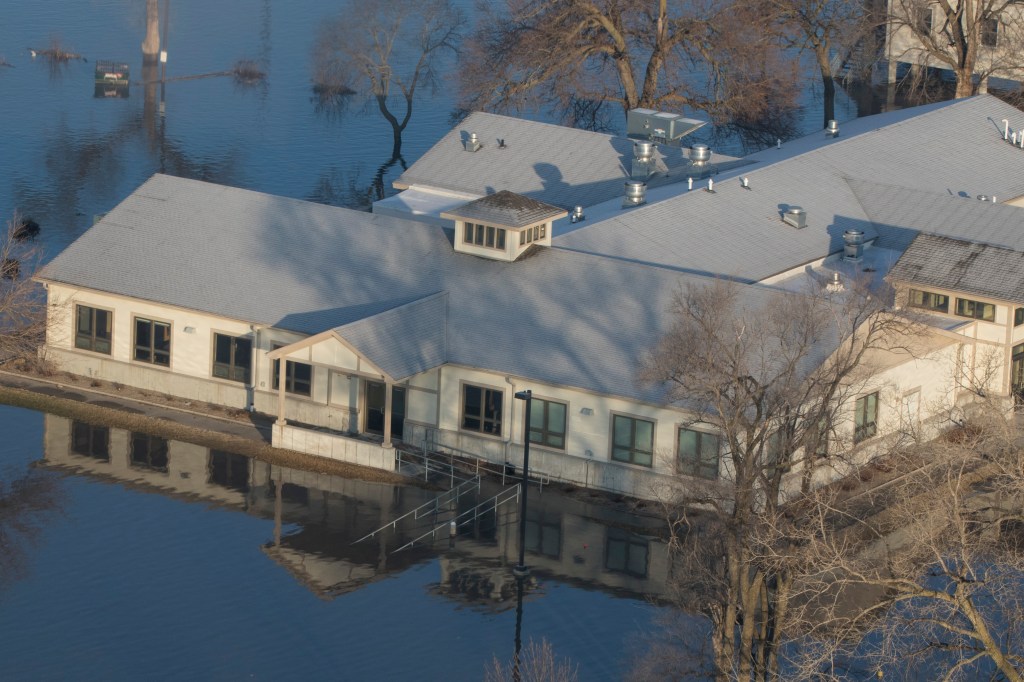
Aerial photos of the Nebraska Army National Guard’s Camp Ashland Training Site, March 17, 2019, after catastrophic flooding inundated the camp from both the Salt Creek and Platte River, causing the evacuation of troops and equipment. (Nebraska National Guard photo by Staff Sgt. Herschel Talley) 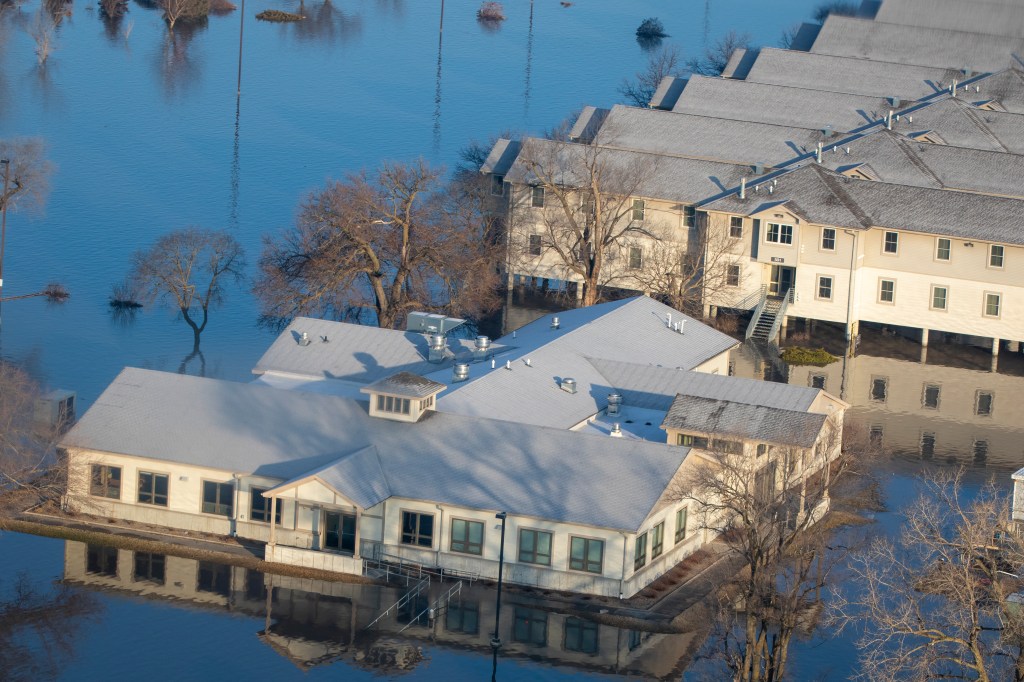
Aerial photos of the Nebraska Army National Guard’s Camp Ashland Training Site, March 17, 2019, after catastrophic flooding inundated the camp from both the Salt Creek and Platte River, causing the evacuation of troops and equipment. (Nebraska National Guard photo by Staff Sgt. Herschel Talley) 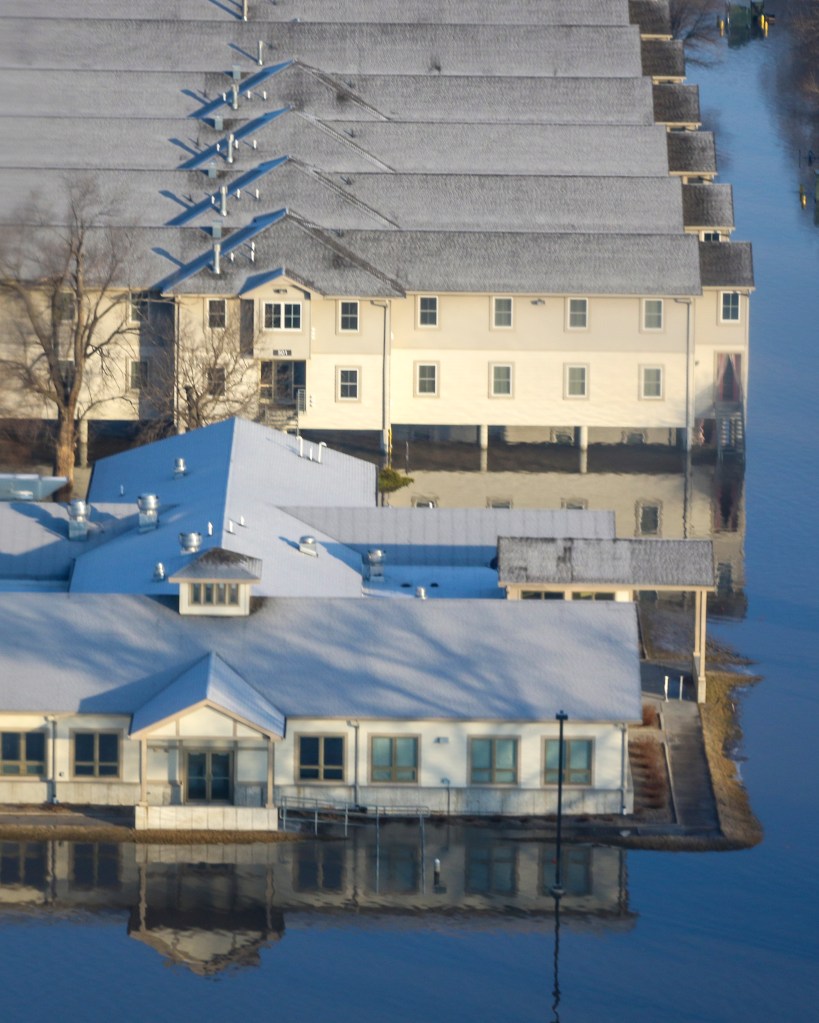
Aerial photos of the Nebraska Army National Guard’s Camp Ashland Training Site, March 17, 2019, after catastrophic flooding inundated the camp from both the Salt Creek and Platte River, causing the evacuation of troops and equipment. (Nebraska National Guard photo by Staff Sgt. Herschel Talley) 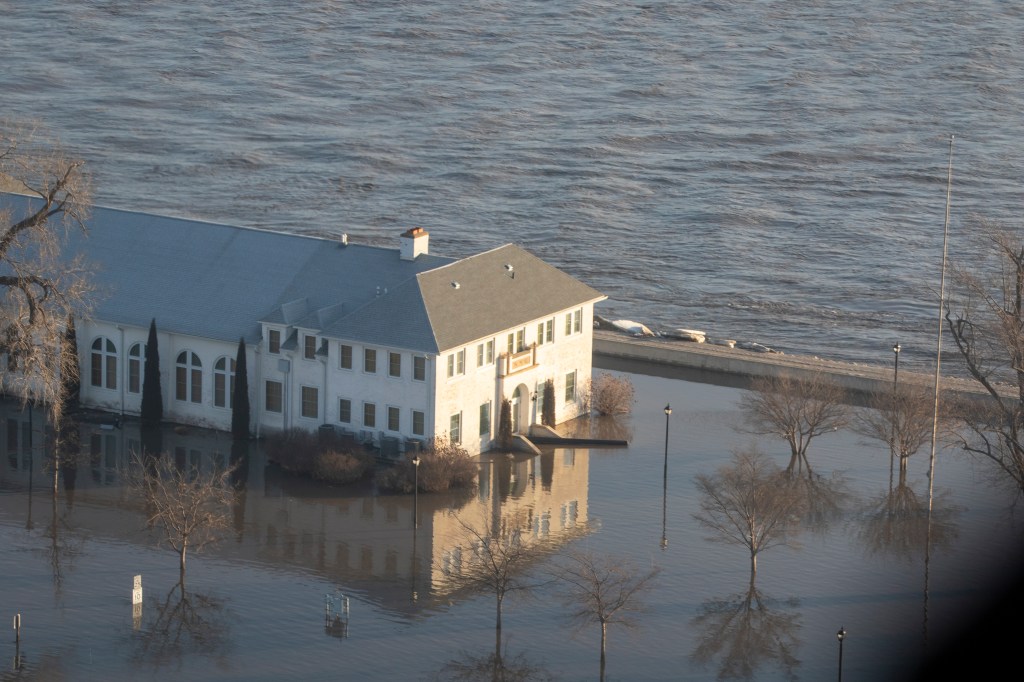
Aerial photos of the Nebraska Army National Guard’s Camp Ashland Training Site, March 17, 2019, after catastrophic flooding inundated the camp from both the Salt Creek and Platte River, causing the evacuation of troops and equipment. (Nebraska National Guard photo by Staff Sgt. Herschel Talley) 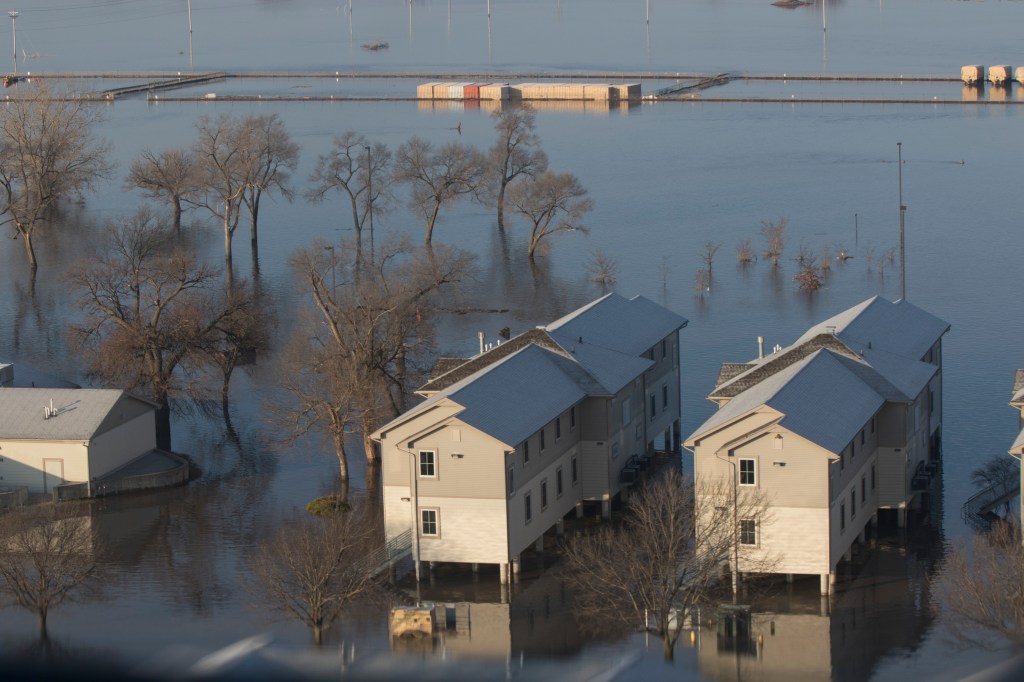
Aerial photos of the Nebraska Army National Guard’s Camp Ashland Training Site, March 17, 2019, after catastrophic flooding inundated the camp from both the Salt Creek and Platte River, causing the evacuation of troops and equipment. (Nebraska National Guard photo by Staff Sgt. Herschel Talley) 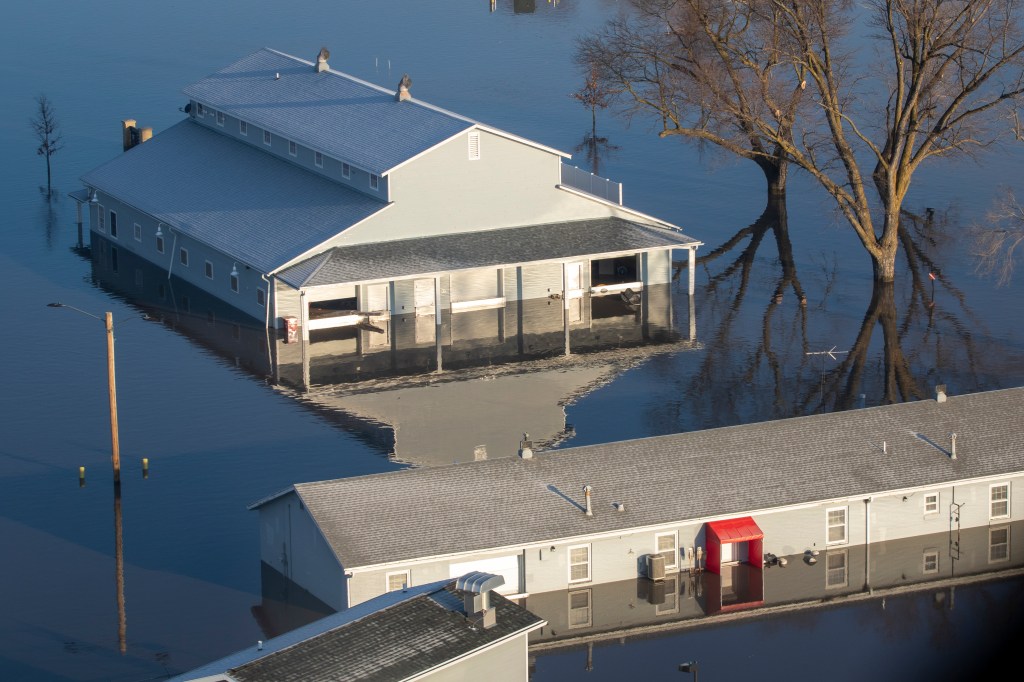
Aerial photos of the Nebraska Army National Guard’s Camp Ashland Training Site, March 17, 2019, after catastrophic flooding inundated the camp from both the Salt Creek and Platte River, causing the evacuation of troops and equipment. (Nebraska National Guard photo by Staff Sgt. Herschel Talley) 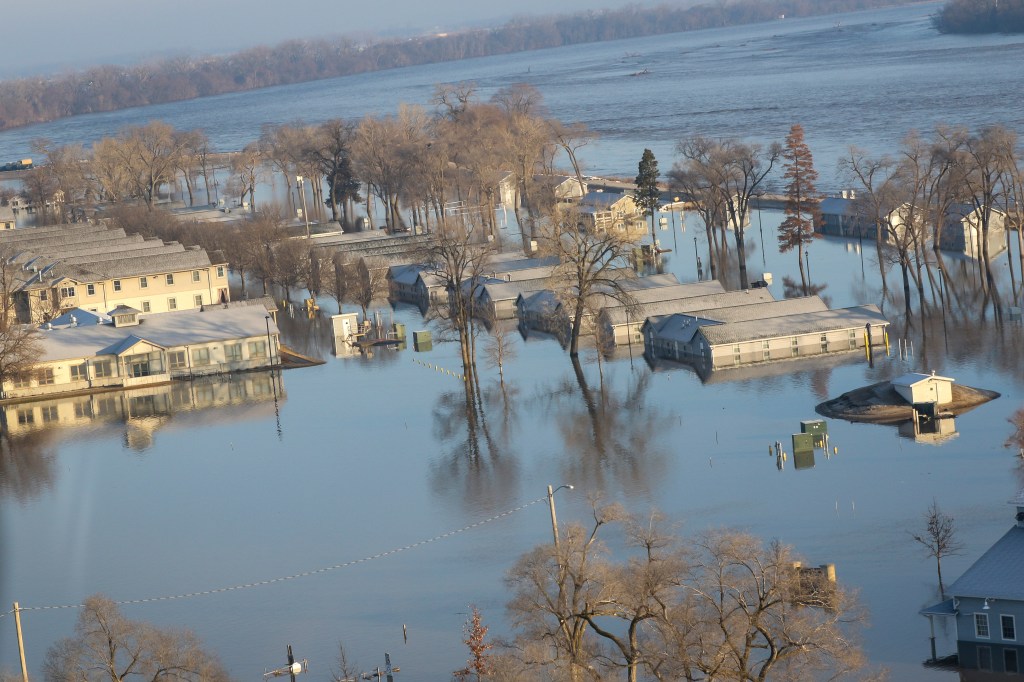
Aerial photos of the Nebraska Army National Guard’s Camp Ashland Training Site, March 17, 2019, after catastrophic flooding inundated the camp from both the Salt Creek and Platte River, causing the evacuation of troops and equipment. (Nebraska National Guard photo by Staff Sgt. Herschel Talley) 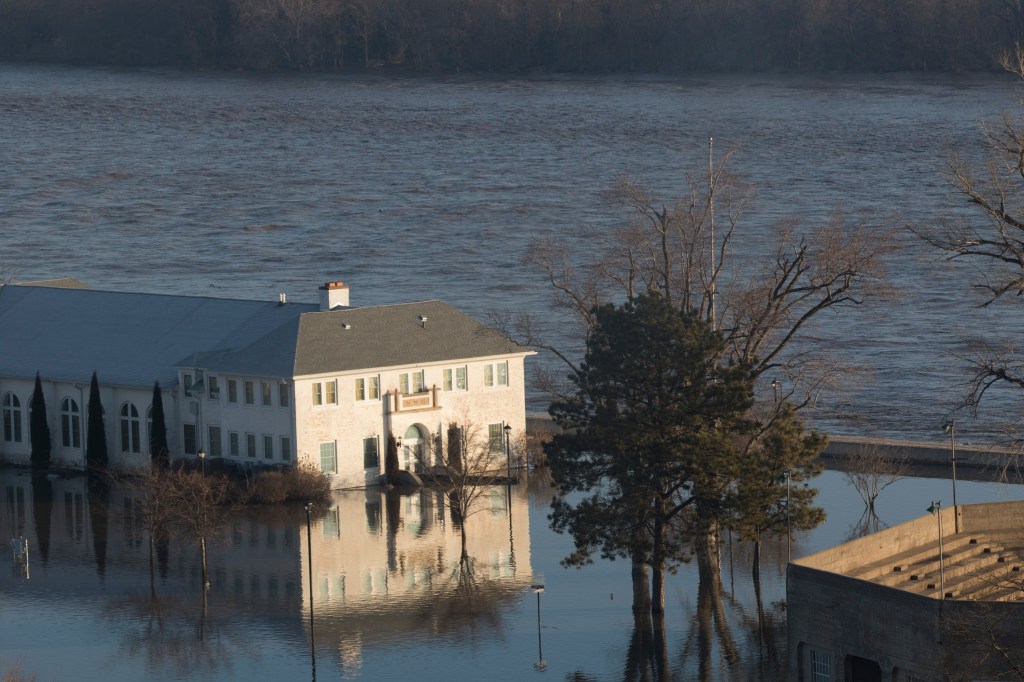
Aerial photos of the Nebraska Army National Guard’s Camp Ashland Training Site, March 17, 2019, after catastrophic flooding inundated the camp from both the Salt Creek and Platte River, causing the evacuation of troops and equipment. (Nebraska National Guard photo by Staff Sgt. Herschel Talley) 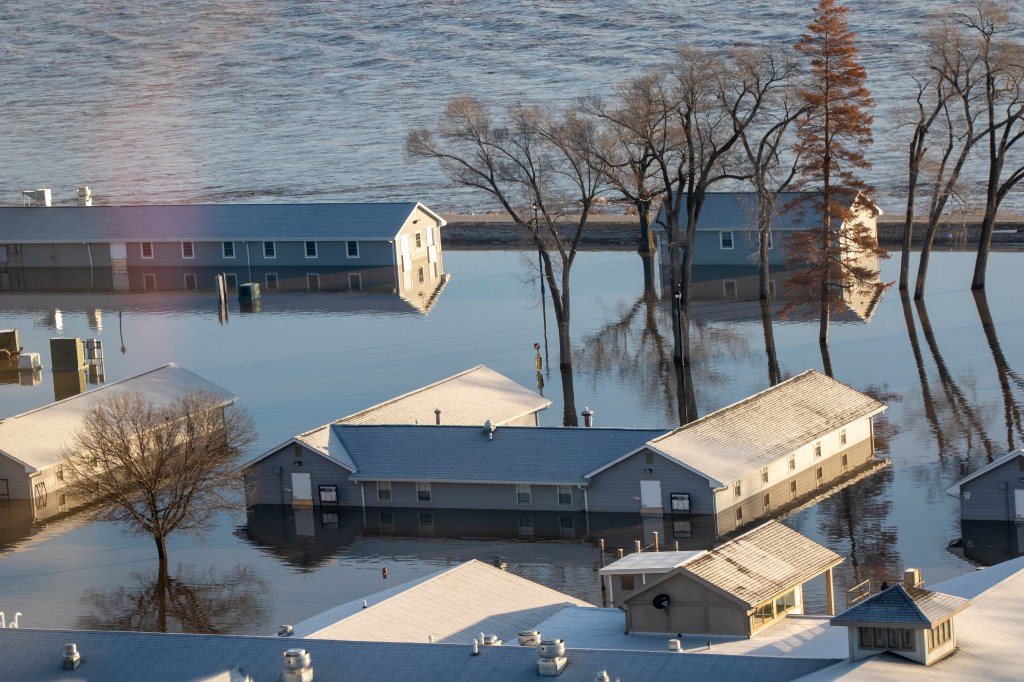
Aerial photos of the Nebraska Army National Guard’s Camp Ashland Training Site, March 17, 2019, after catastrophic flooding inundated the camp from both the Salt Creek and Platte River, causing the evacuation of troops and equipment. (Nebraska National Guard photo by Staff Sgt. Herschel Talley) 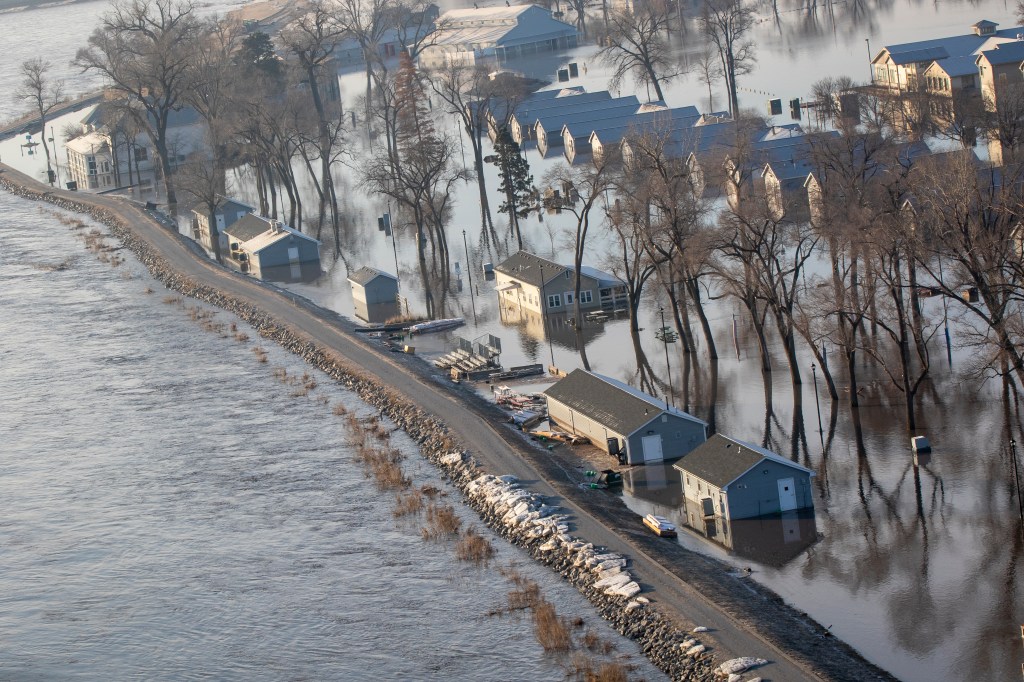
Aerial photos of the Nebraska Army National Guard’s Camp Ashland Training Site, March 17, 2019, after catastrophic flooding inundated the camp from both the Salt Creek and Platte River, causing the evacuation of troops and equipment. (Nebraska National Guard photo by Staff Sgt. Herschel Talley) 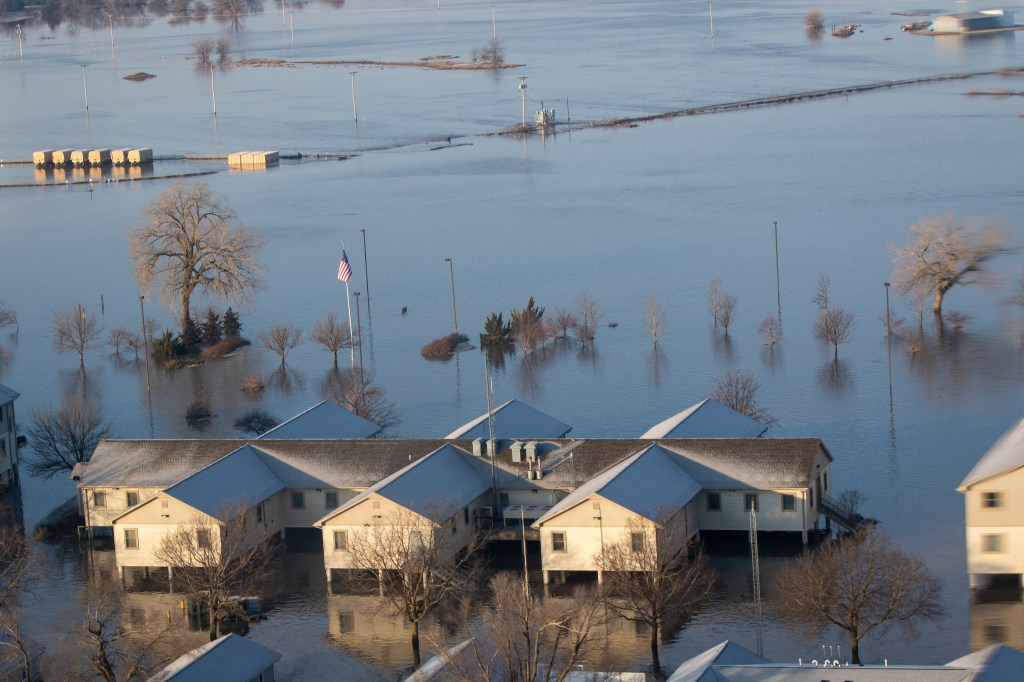
Aerial photos of the Nebraska Army National Guard’s Camp Ashland Training Site, March 17, 2019, after catastrophic flooding inundated the camp from both the Salt Creek and Platte River, causing the evacuation of troops and equipment. (Nebraska National Guard photo by Staff Sgt. Herschel Talley) 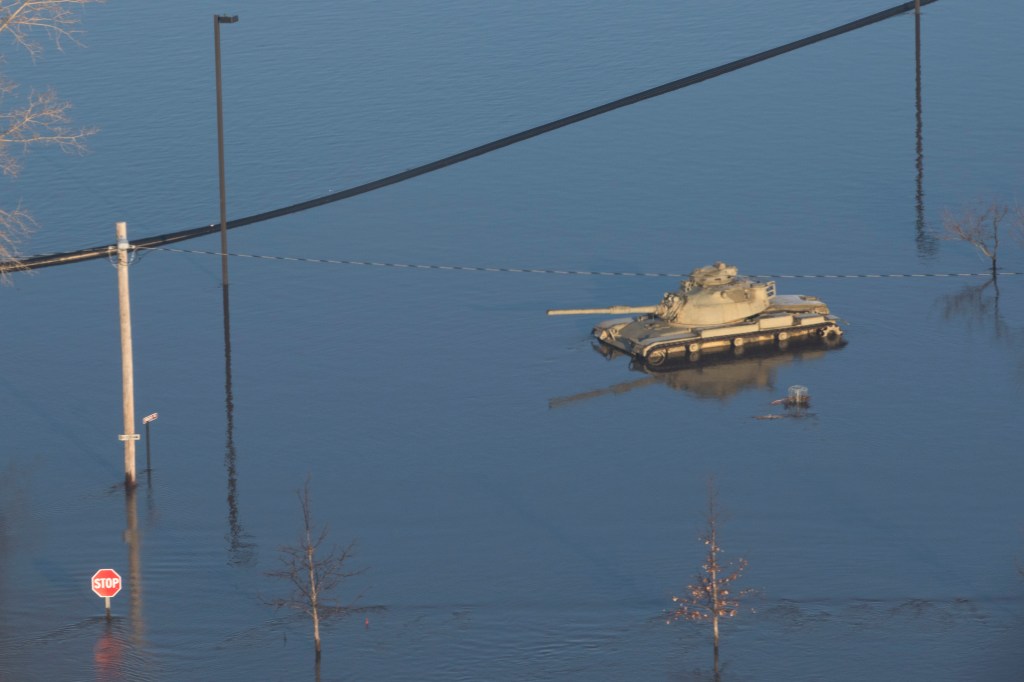
Aerial photos of the Nebraska Army National Guard’s Camp Ashland Training Site, March 17, 2019, after catastrophic flooding inundated the camp from both the Salt Creek and Platte River, causing the evacuation of troops and equipment. (Nebraska National Guard photo by Staff Sgt. Herschel Talley) 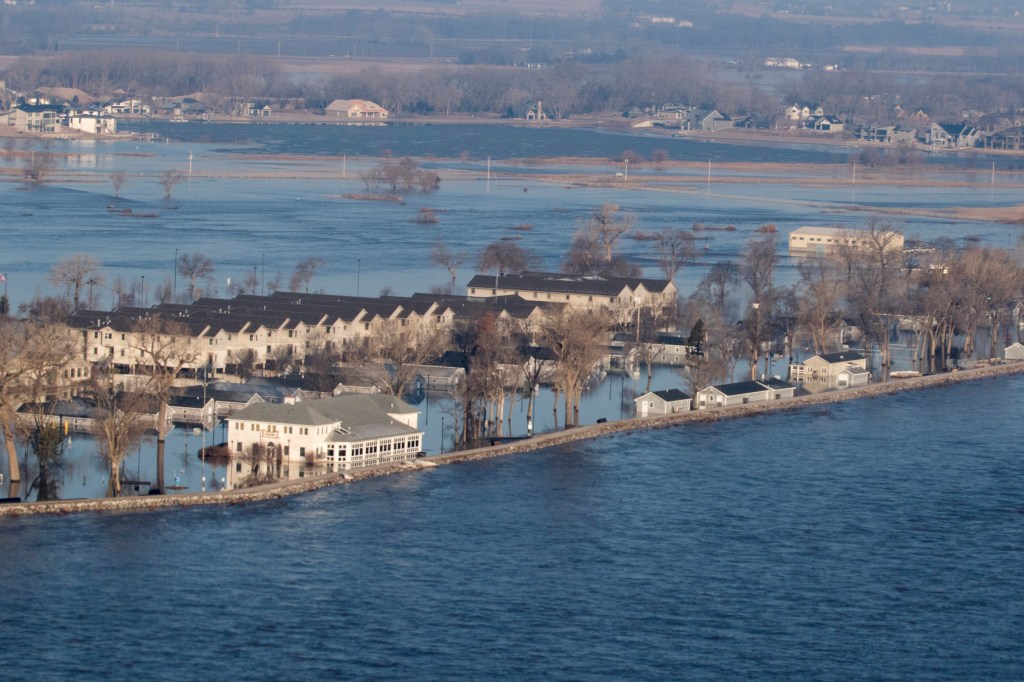
Aerial photos of the Nebraska Army National Guard’s Camp Ashland Training Site, March 17, 2019, after catastrophic flooding inundated the camp from both the Salt Creek and Platte River, causing the evacuation of troops and equipment. (Nebraska National Guard photo by Staff Sgt. Herschel Talley)
Following the 2015 flooding, Camp Ashland installed flood gates on all the buildings previously affected by flood waters, mostly all the buildings not on stilts. The flood gates would secure all doors, and block flood water from seeping inside the buildings. Unfortunately, the severity of the 2019 flooding – with the Platte River levee breach as well as the overflowing Salt Creek – pushed water levels well above the height of the floodgate doors, and water seeped into buildings rapidly through windows and other crevices.
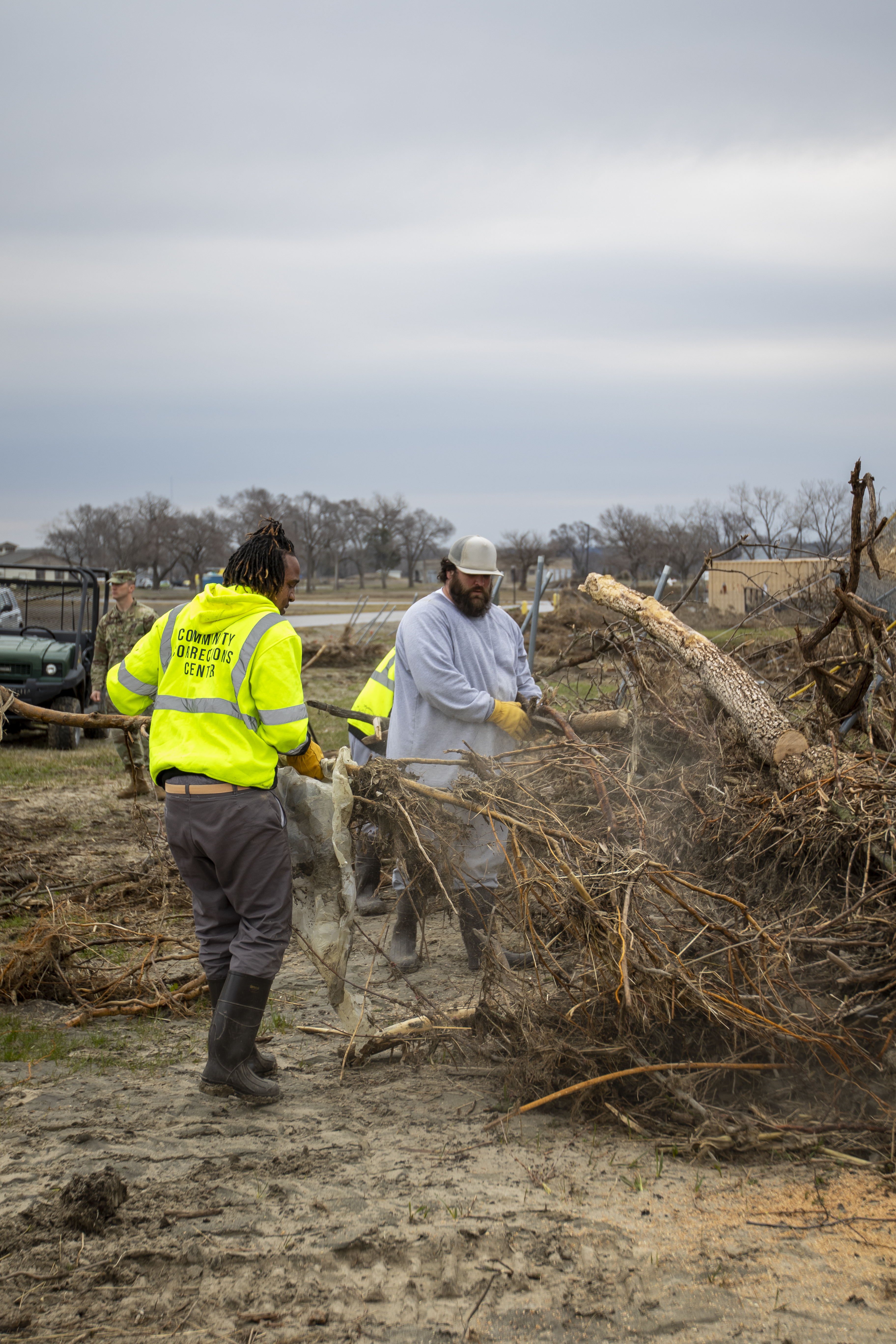
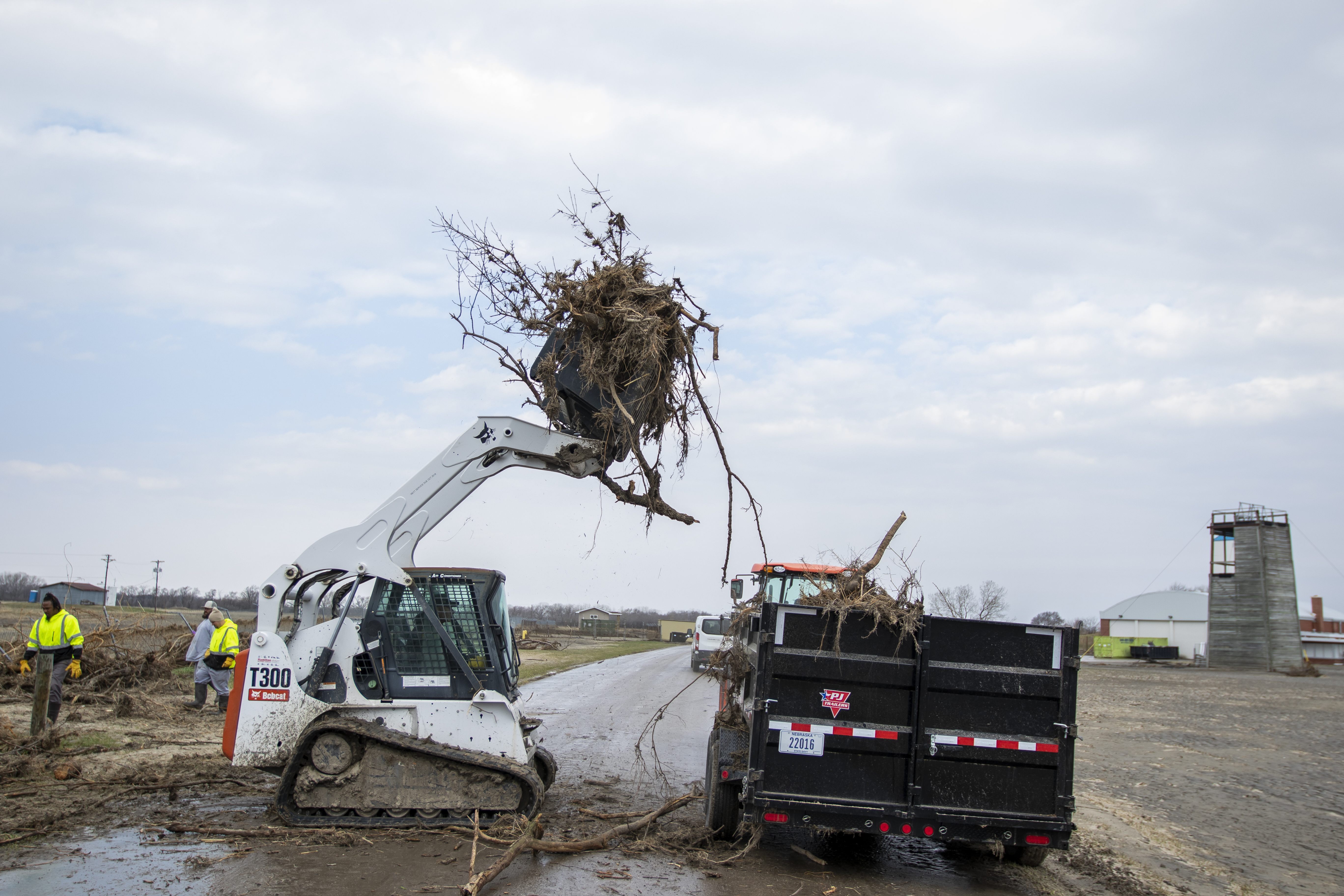
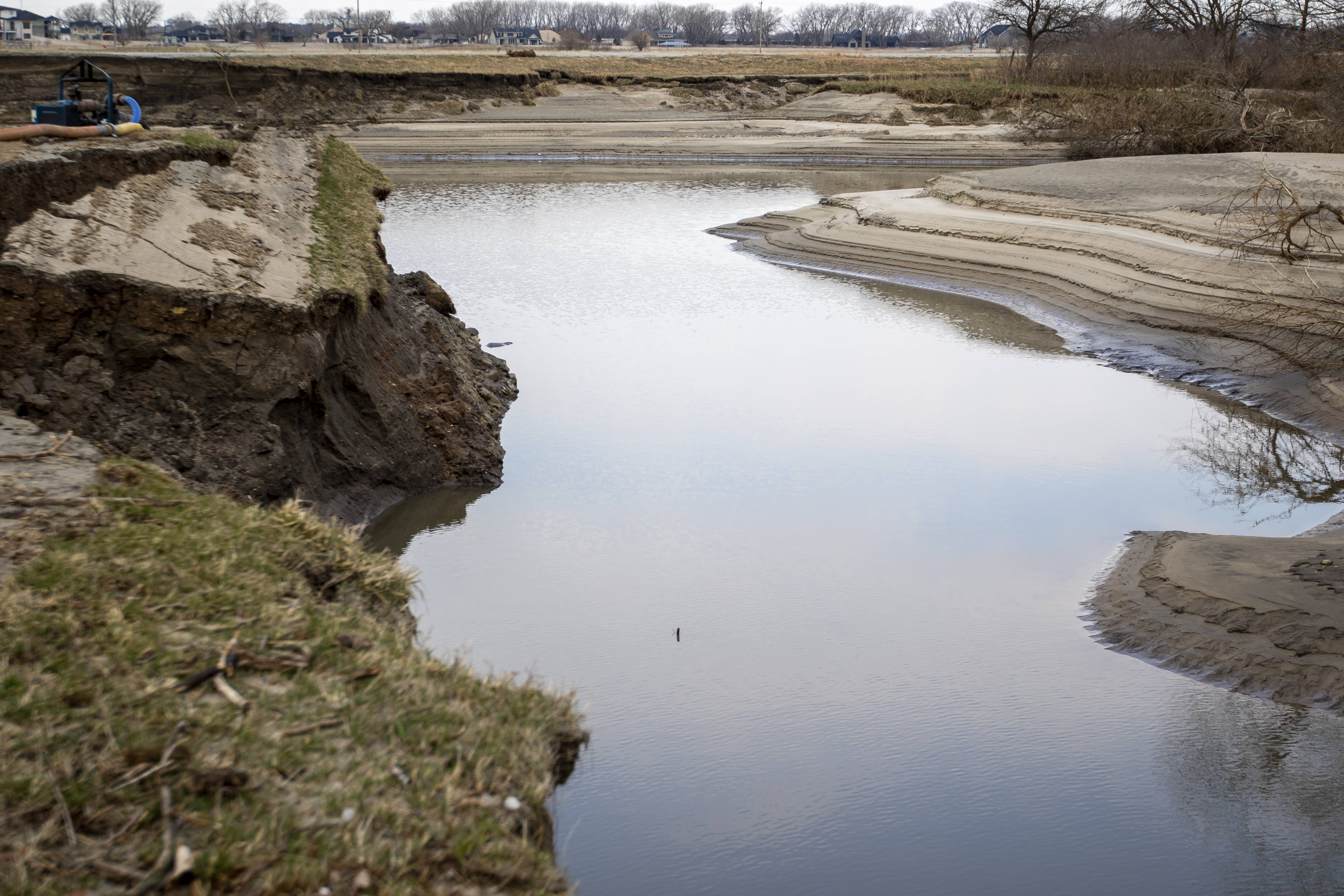
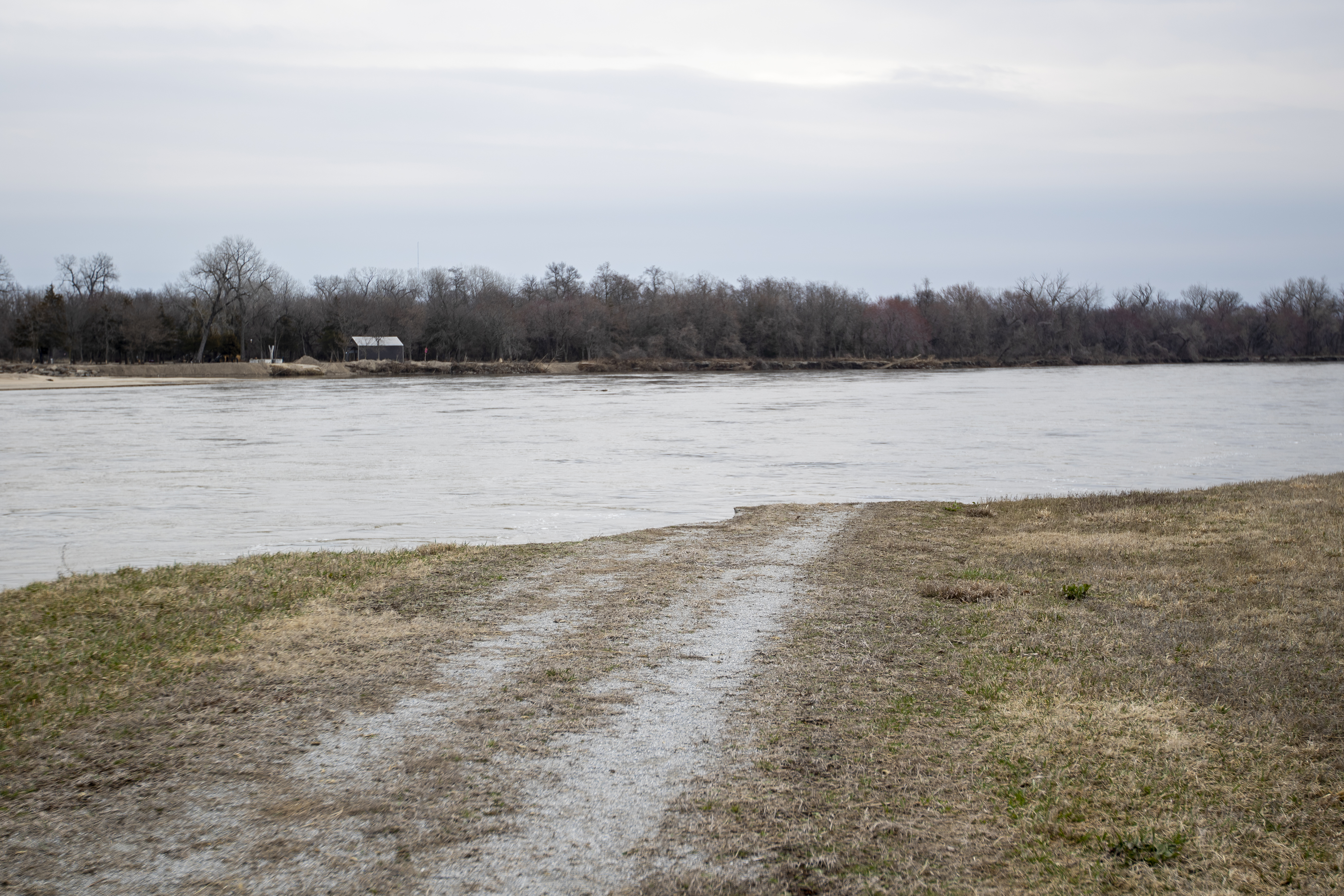

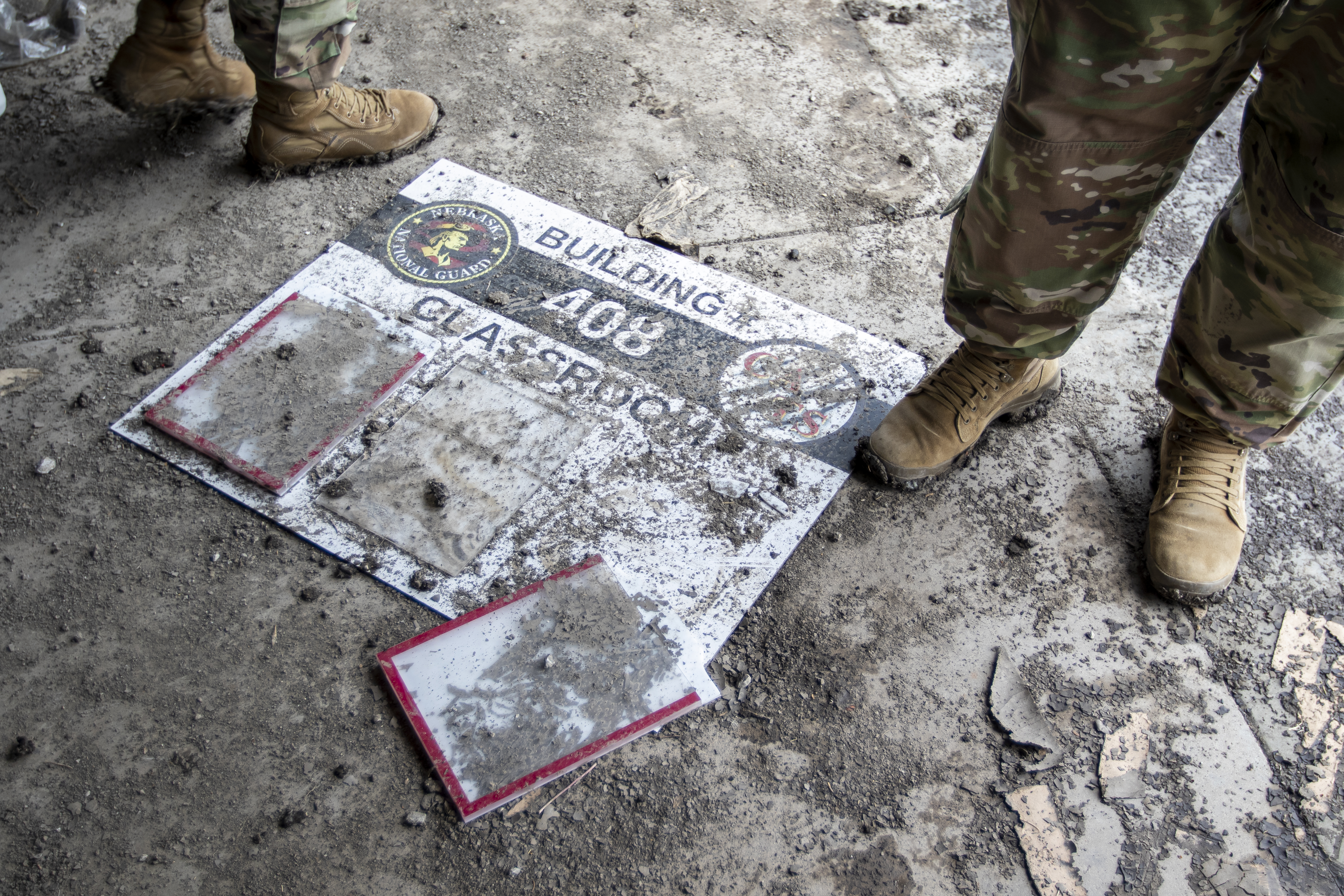
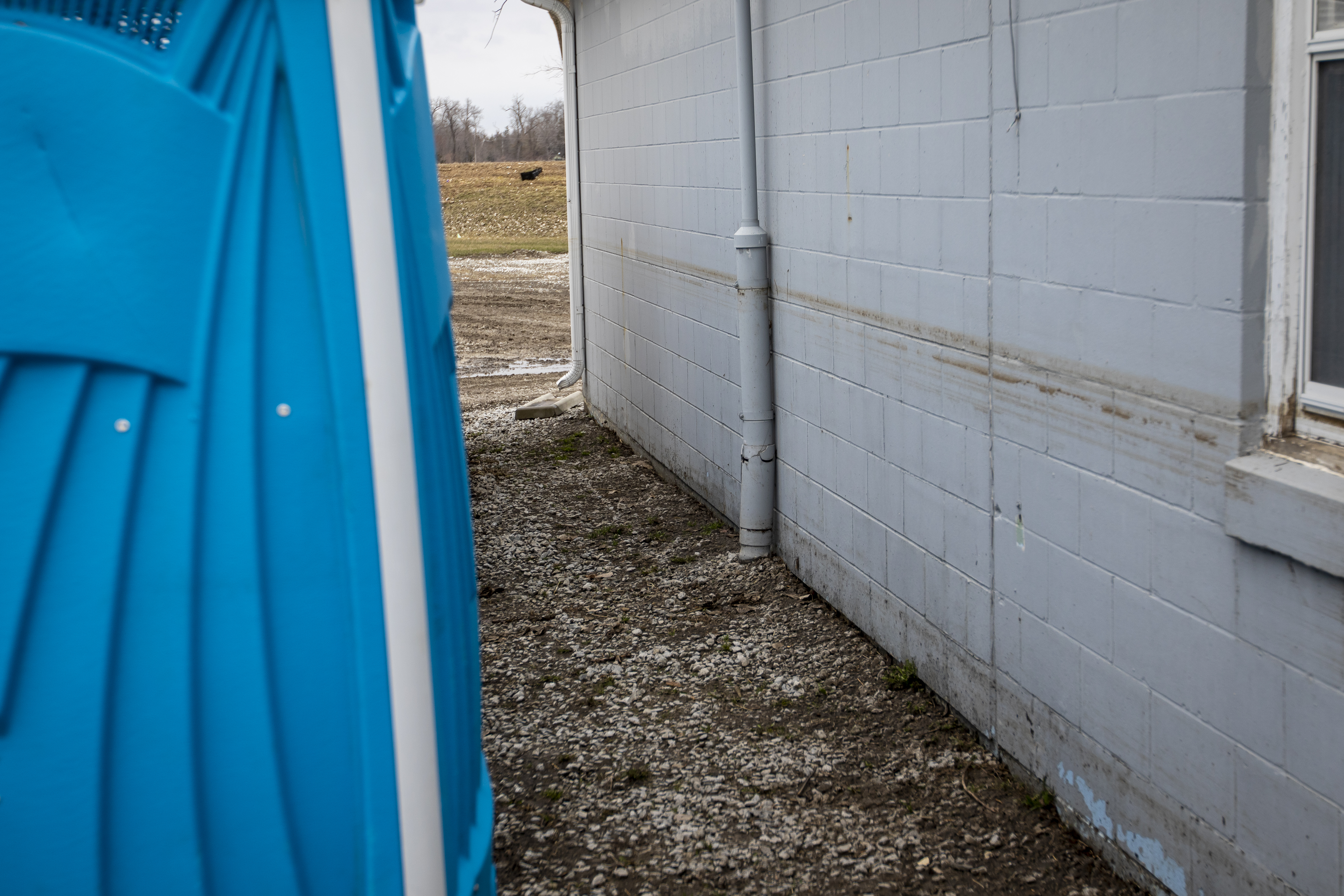

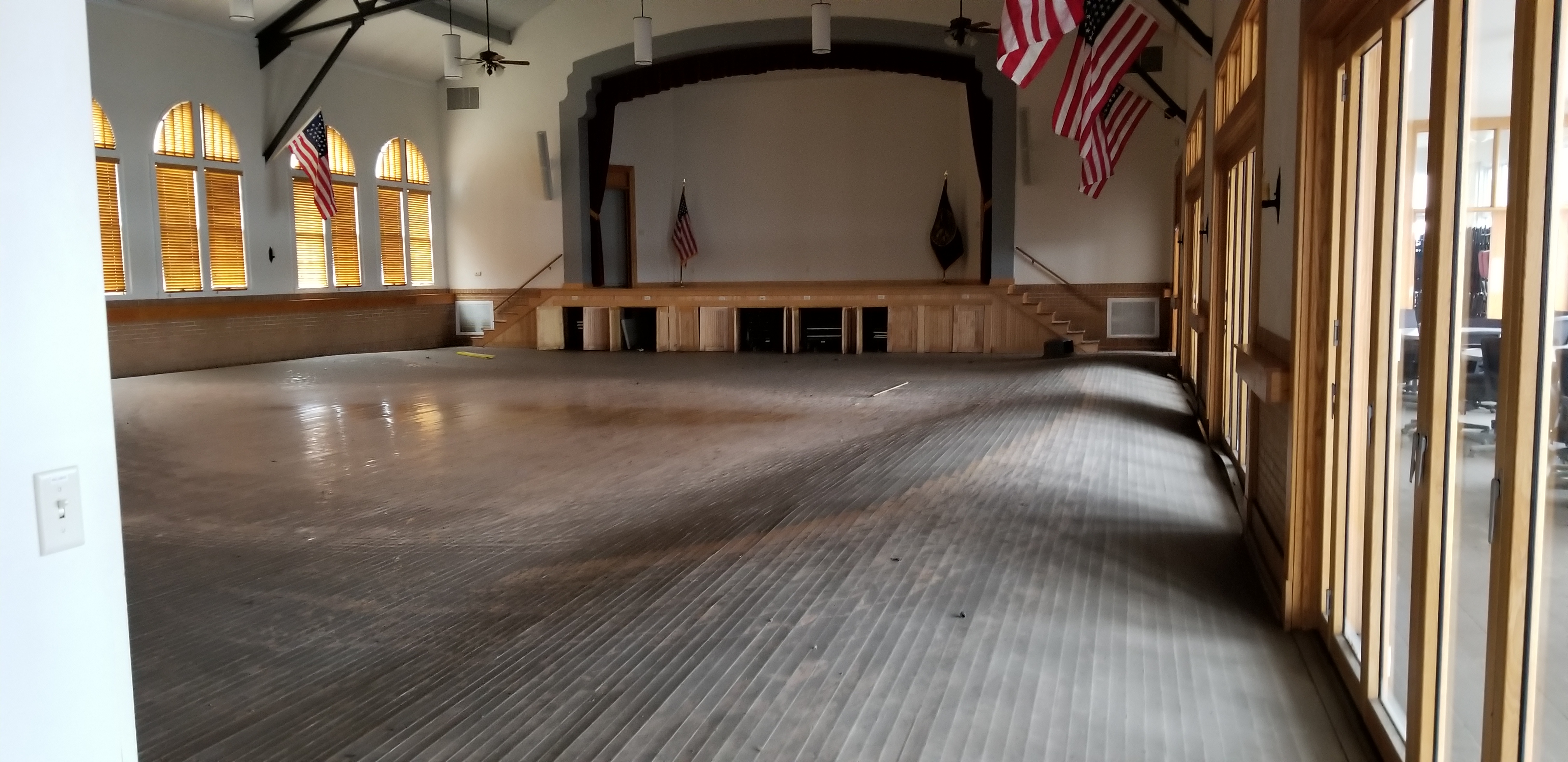
Photos of Camp Ashland during some of the initial clean-up stages in the weeks immediately following the historic flooding of March 2019. (Photos courtesy of the Nebraska National Guard)
After assessing the damage from 2019, the Nebraska National Guard decided the best course of action was to renovate and rebuild the damaged training site – with the main condition being to elevate all remaining ground-level buildings. Working with federal and state elected officials, the Nebraska National Guard secured funding for the reconstruction of Camp Ashland, and held a ceremonial groundbreaking ceremony Sept. 25, 2020.
“It is important that we reinvest in Camp Ashland because this is a critical facility for our state and for our nation,” said Nebraska Governor Pete Ricketts.

Ricketts, U.S. Senator Deb Fischer, Maj. Gen. Daryl Bohac, Congressman Jeff Fortenberry and others joined with Nebraska National Guard leaders and project managers for a tour of the Camp Ashland Training Site before the official groundbreaking ceremony, which marked the beginning of a $35 million project that will result in seven new, elevated buildings to replace structures severely damaged by floodwaters in March 2019.
The new military construction project is the largest component of an overall $62 million project that will also reinforce and extend a levee along the Platte River and restore existing facilities that were affected by the flood but not destroyed.
 Good Life, Great Strength